

How to find out if you're one of the UK's 5 million with undiagnosed high blood pressure

You feel fine. No headaches, no dizziness, no warning signs. So your blood pressure must be fine too, right? Not necessarily. Up to 5 million adults in the UK are living with undiagnosed high blood pressure and have no idea. The BHF notes that high blood pressure usually has no symptoms, so you can feel fine and still have it. The good news is that finding out is easier than ever. This guide walks you through your practical options, from a free pharmacy walk-in to your GP, home monitoring, and continuous tracking with a device like the Hilo Band.
Welches Blutdruckmessgerät
passt wirklich zu dir?
Beantworte 6 kurze Fragen und erhalte deine persönliche Top-3-Empfehlung.
Key facts
- The undiagnosed scale: As many as 5 million adults in the UK are living with high blood pressure without knowing it, according to the British Heart Foundation.
- The symptom gap: High blood pressure rarely causes noticeable signs, so feeling well is not a reliable indicator that your readings are in a healthy range.
- The free pharmacy route: Adults aged 40 and over can walk into a community pharmacy in England for a free NHS blood pressure check, no appointment required.
- The monitoring gap: A one-off check tells you about a single moment. Continuous monitoring with a clinically certified wearable like the Hilo Band shows your blood pressure pattern across the day and night, a useful complement to your GP checks.
Why feeling fine hides undiagnosed high blood pressure
High blood pressure rarely makes itself known. The BHF notes that it usually has no symptoms, so undiagnosed hypertension can persist for years without headaches, dizziness or blurred vision ever raising the alarm. Hilo’s UK Blood Pressure Report 2025, based on a nationally representative survey of 2,000 adults, found that 39% of 16 to 24-year-olds believe hypertension has obvious symptoms, a misconception that delays the simple act of getting checked.
The system itself has slipped backwards. A Queen Mary University of London analysis published in BMJ Medicine drew on more than 67,000 adults in the Health Survey for England. It found that undiagnosed hypertension dropped from 32.6% in 2003 to 23.7% in 2011, then climbed back to 32.4% by 2021. The study attributes part of the reversal to stretched GP capacity and pandemic-era disruption to routine checks. The most useful response is to book a check this week rather than next year.
Are you at higher risk of undiagnosed hypertension?
Work through the factors below as a quick self-check. If one or more apply to you, treat a blood pressure check as a near-term priority rather than something for next year.
Knowing your cardiovascular risk profile helps you act early:
- You’re over 40
- You have a family history of high blood pressure
- You’re overweight
- Your diet is high in salt
- You drink more alcohol than the recommended limits
- You’re not very physically active
- You smoke
- You live in one of England’s most deprived areas, where residents are 30% more likely to have high blood pressure
Ethnicity is another important factor. If you’re of South Asian, African, or African-Caribbean heritage, NHS England guidance encourages an earlier first check, ahead of the standard age-40 threshold, and Hilo’s own age-by-age guide to blood pressure breaks down what a healthy reading looks like at every stage of life. This information simply helps you take a small, practical step sooner rather than later. If your reading comes back in the elevated or high-normal range rather than a full diagnosis, our guide on what to do with a borderline result covers the next steps.
How to find out your blood pressure today in the UK
You have four practical options, and the fastest answer for most people is a free blood pressure test at a community pharmacy. Below we walk through each route in turn: a walk-in pharmacy visit, an NHS Health Check or GP appointment, home blood pressure monitoring done correctly and continuous wearable monitoring as a modern complement that fills the gaps between one-off readings.
Free pharmacy blood pressure check without an appointment
Walk into almost any community pharmacy in England and you can have your blood pressure checked for free, with no appointment needed. The NHS Community Pharmacy Blood Pressure Check Service is open to adults aged 40 and over who haven’t been screened recently, and many pharmacies offer evening and weekend slots that fit around work. Industry projections suggest around 15 million screenings will have been delivered through this route by 2026, and 44% of those checks have taken place in the 30% most deprived communities, a clear sign that accessibility is built into the service from the ground up.
NHS Health Check and GP appointment options
If you’re between 40 and 74 and live in England, you’re likely to be invited to a free NHS Health Check every five years, which includes a blood pressure reading as standard, and our guide to health checks for the over-40s covers what else is included. 1,438,781 people had their blood pressure checked through NHS Health Checks last year, up from 1,418,929 the year before. Your GP surgery is the other obvious option, and it remains the right one if you have specific concerns or existing risk factors.
Home blood pressure monitoring done correctly
Measuring at home is a reliable, convenient way to know your numbers, and it sidesteps white coat hypertension, a well-documented phenomenon, recognised in NICE guidance, where clinic anxiety pushes measured readings higher than your everyday blood pressure actually is. Our guide to white coat hypertension explains it in more depth, and it’s why NICE recommends confirming a clinic reading with out-of-office measurement before diagnosis. For accurate results, choose a validated blood pressure monitor from the British and Irish Hypertension Society’s (BIHS) approved list, the same benchmark the NHS and NICE point to for home devices.
Then follow the correct technique every time, our guide to common measuring errors goes into more depth on each step:
- Rest quietly for 5 minutes before your first reading.
- Avoid caffeine and smoking for at least 30 minutes beforehand.
- Sit with your back supported and your arm resting at heart level.
- Take two readings, one minute apart.
- Measure twice daily, morning and evening, for 4 to 7 days.
- Discard day one readings and use the average of the rest.
What your numbers mean and what happens after a high reading
A blood pressure reading has two numbers, written as systolic over diastolic in mmHg. Systolic is the pressure when your heart pumps blood out; diastolic is the pressure between beats, when your heart relaxes. Our guide to blood pressure regulation explains the mechanism behind these two numbers in more detail. The table below shows the NHS clinic categories so you can place your own blood pressure readings in context.
| Category | Clinic reading (mmHg) |
|---|---|
| Normal | Below 120/80 |
| Elevated / high-normal | 120/80–139/89 |
| Stage 1 hypertension | 140/90–159/99 |
| Stage 2 hypertension | 160/100 or higher |
The home and ABPM diagnostic threshold sits lower at 135/85 mmHg because readings taken outside a clinic are not influenced by white coat anxiety, so the bar for diagnosis is adjusted accordingly. This matters whenever you interpret numbers from a home monitor or wearable.
- A single high reading is a first data point, and only the pattern across several days can confirm what it means.
- Your GP or pharmacist arranges ABPM or structured home monitoring over 4 to 7 days.
- Confirmed elevated readings across that window lead to a formal hypertension diagnosis.
Hilo: the full picture between NHS checks
A pharmacy or GP check answers one question: is my blood pressure high right now? The Hilo Band answers the bigger one: what your blood pressure does across a full day and night, including while you sleep.
- Clinically validated: a CE Class IIa medical device validated to the ISO 81060-2 standard, with measurements within 0.45 ± 7.75 mmHg systolic and 0.38 ± 6.86 mmHg diastolic of the reference standard (clinical validation data).
- Automatic, cuff-free readings: 30–35 measurements a day, including overnight, with nothing you need to do.
- Simple upkeep: the included Hilo Cuff calibrates the band in the first days, then roughly once a month.
- GP-ready data: export a day-and-night PDF report so your next appointment starts from real data rather than memory.
- More than blood pressure: the app tracks sleep and step count alongside your trends.
The Hilo Band works alongside your medical care: ABPM remains the NHS’s diagnostic gold standard, and Hilo’s day-to-day readings give you and your GP a fuller picture between appointments.
Pricing: you pay £199.98 today for the bundle: the Hilo Band with calibration cuff at £79.99 plus a 12-month subscription at £10 a month (£119.99 billed annually).
One thing to check before use: the Hilo Band isn’t intended for use during pregnancy, and people with certain implants or pre-existing conditions should check the product documentation or speak to their doctor first.
Your blood pressure, day and night
The Hilo Band takes 30–35 automatic readings a day, including overnight, and turns them into a GP-ready PDF report.
Find out more about the Hilo BandFAQ
Can I have high blood pressure if I feel fine?
Yes. The BHF notes that high blood pressure usually has no symptoms. So many cases go undiagnosed because people wait for a warning sign that rarely comes. Regular checking matters far more than how you feel.
Where can I get a free blood pressure check without a GP appointment?
Community pharmacies across England offer free NHS blood pressure checks for adults aged 40 and over. No appointment is needed, and many pharmacies have evening and weekend hours, so you can walk in at a time that fits your routine.
Does one high reading mean I have hypertension?
No. Diagnosis requires confirmed elevated readings over several days, typically through ambulatory blood pressure monitoring (ABPM) or a structured home monitoring period. A single high reading is a prompt to follow up with your GP; our guide on what a borderline result means covers the next steps in more depth.
What happens after a high reading and what is ABPM?
Your pharmacist or GP will arrange ambulatory blood pressure monitoring (ABPM), a small device worn for 24 hours that takes readings automatically, or a structured home monitoring period over 4 to 7 days. This multi-reading approach is the NHS gold standard for confirming whether you have hypertension.
Disclaimer: The information in this article is for educational purposes only and does not replace medical advice. If you suspect you have high blood pressure or are concerned about your readings, speak to your GP or call NHS 111. They can advise on the best next steps for your situation.
Sources
- C. Graham; J. Steckelmacher; J. Prashar et al. (2025). Trends in hypertension prevalence, control, and antihypertensive use in England from 2003 to 2021: insights from annual, nationwide Health Surveys for England. BMJ Medicine, 4(1), e001556. https://doi.org/10.1136/bmjmed-2025-001556
- Our high blood pressure research impact report. British Heart Foundation. https://www.bhf.org.uk/what-we-do/our-research/research-successes/our-research-impact-reports/our-hypertension-research-report (Accessed August 2026)
- Hypertension in adults: diagnosis and management (NG136). National Institute for Health and Care Excellence. https://www.nice.org.uk/guidance/ng136 (Accessed August 2026)
- People searching NHS advice on high blood pressure skyrocketed last year. NHS England. https://www.england.nhs.uk/2026/02/people-searching-nhs-advice-on-high-blood-pressure-skyrocketed-last-year/ (Accessed August 2026)
- NHS Community Pharmacy Blood Pressure Check Service. NHS England. https://www.england.nhs.uk/primary-care/pharmacy/pharmacy-services/nhs-community-pharmacy-blood-pressure-check-service/ (Accessed September 2026)
- Hypertension Case-Finding Service. Community Pharmacy England. https://cpe.org.uk/national-pharmacy-services/advanced-services/hypertension-case-finding-service/ (Accessed August 2026)
- Community pharmacies expected to deliver 15m blood pressure checks by 2026. The Company Chemists’ Association. https://thecca.org.uk/community-pharmacies-expected-to-deliver-15m-blood-pressure-checks-by-2026/ (Accessed August 2026)
- Find a Blood Pressure Monitor You Can Trust. British and Irish Hypertension Society. https://bihs.org.uk/blood_pressure_technology/find_a_professional_bp_monitor.aspx (Accessed August 2026)
- High blood pressure - causes and symptoms. British Heart Foundation. https://www.bhf.org.uk/informationsupport/risk-factors/high-blood-pressure (Accessed October 2026)
Weiterlesen
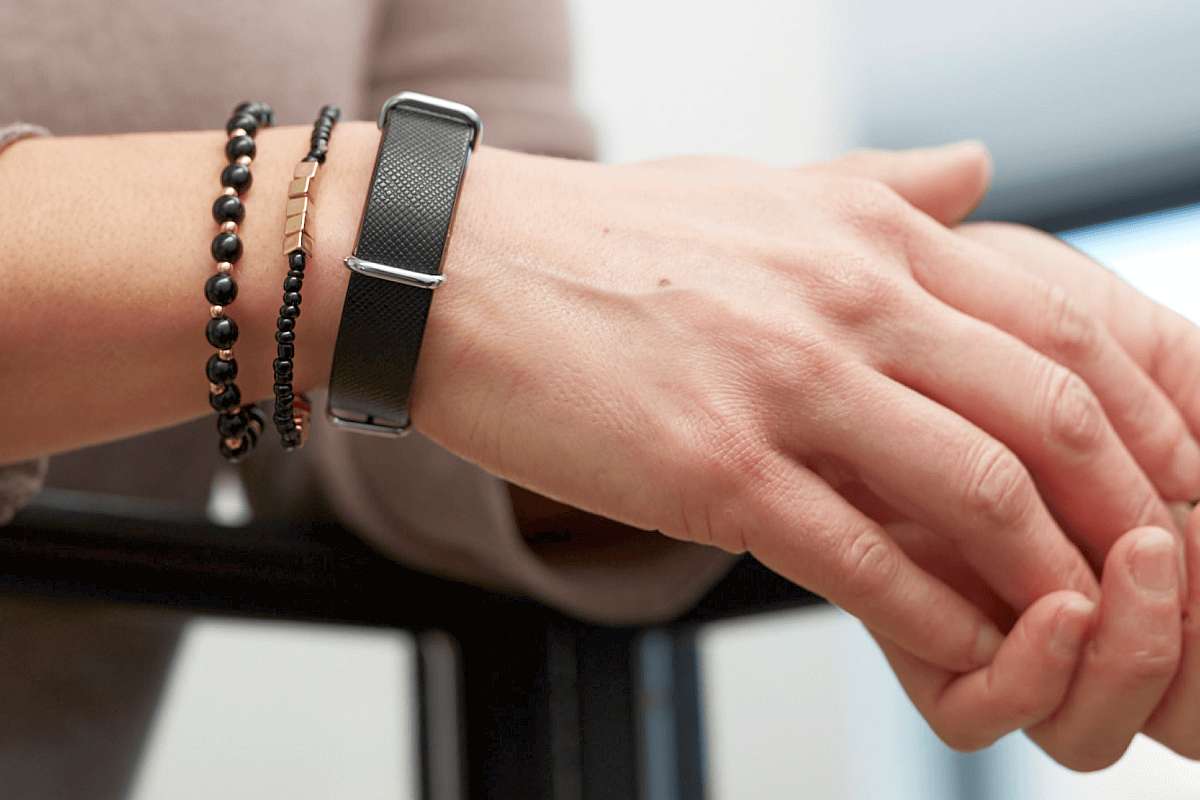
Wie findest du beim Blutdruckmessgerät-Armband-Test heraus, welches Gerät wirklich verlässlich misst – und welches nur gut aussieht? Die klassische Manschette ist im Alltag umständlich, moderne Blu...
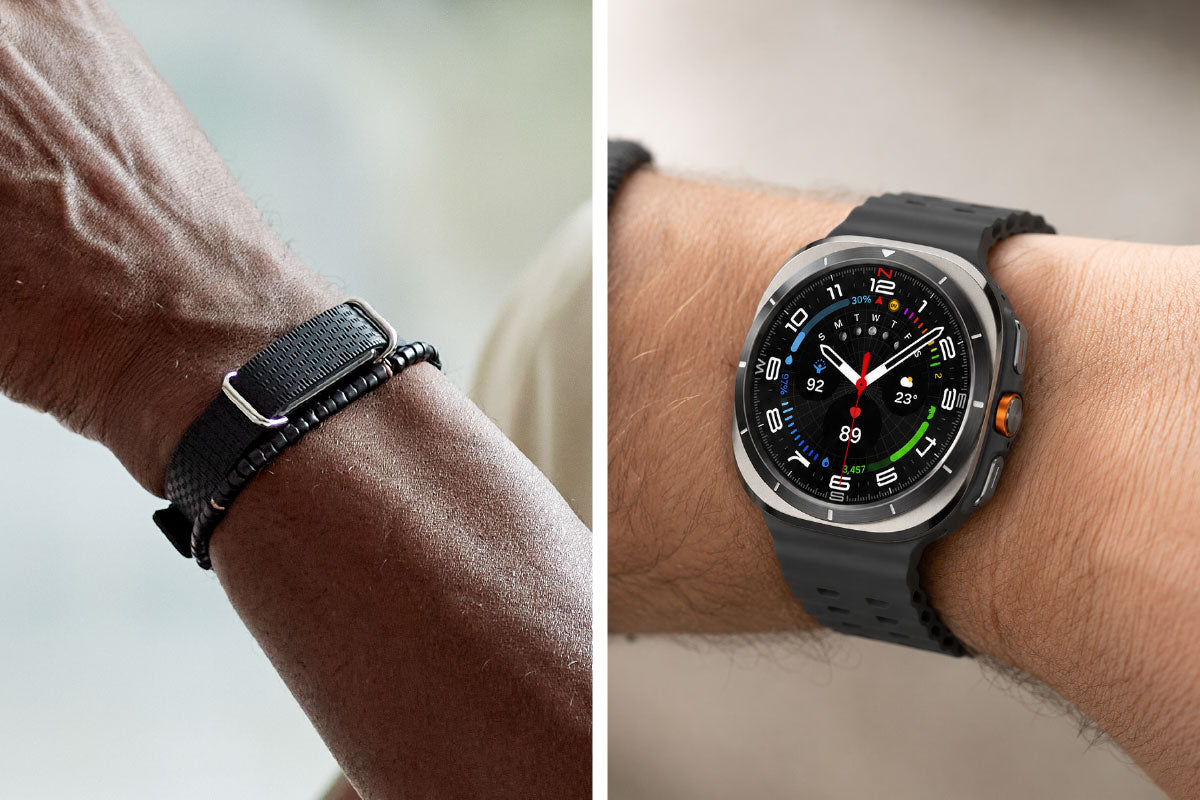
Was passiert eigentlich, wenn du dich bei diagnostiziertem Bluthochdruck täglich auf deine Samsung Galaxy Watch verlässt und glaubst, gut versorgt zu sein? Die Uhr zeigt einen Wert, du fühlst dich ...

Die Blutdruckwerte sind erhöht und der erste Griff geht zur Aspirin-Packung – schließlich hilft die doch „fürs Herz“. Was steckt wirklich hinter dem Mythos, Acetylsalicylsäure könne den Blutdruck s...