

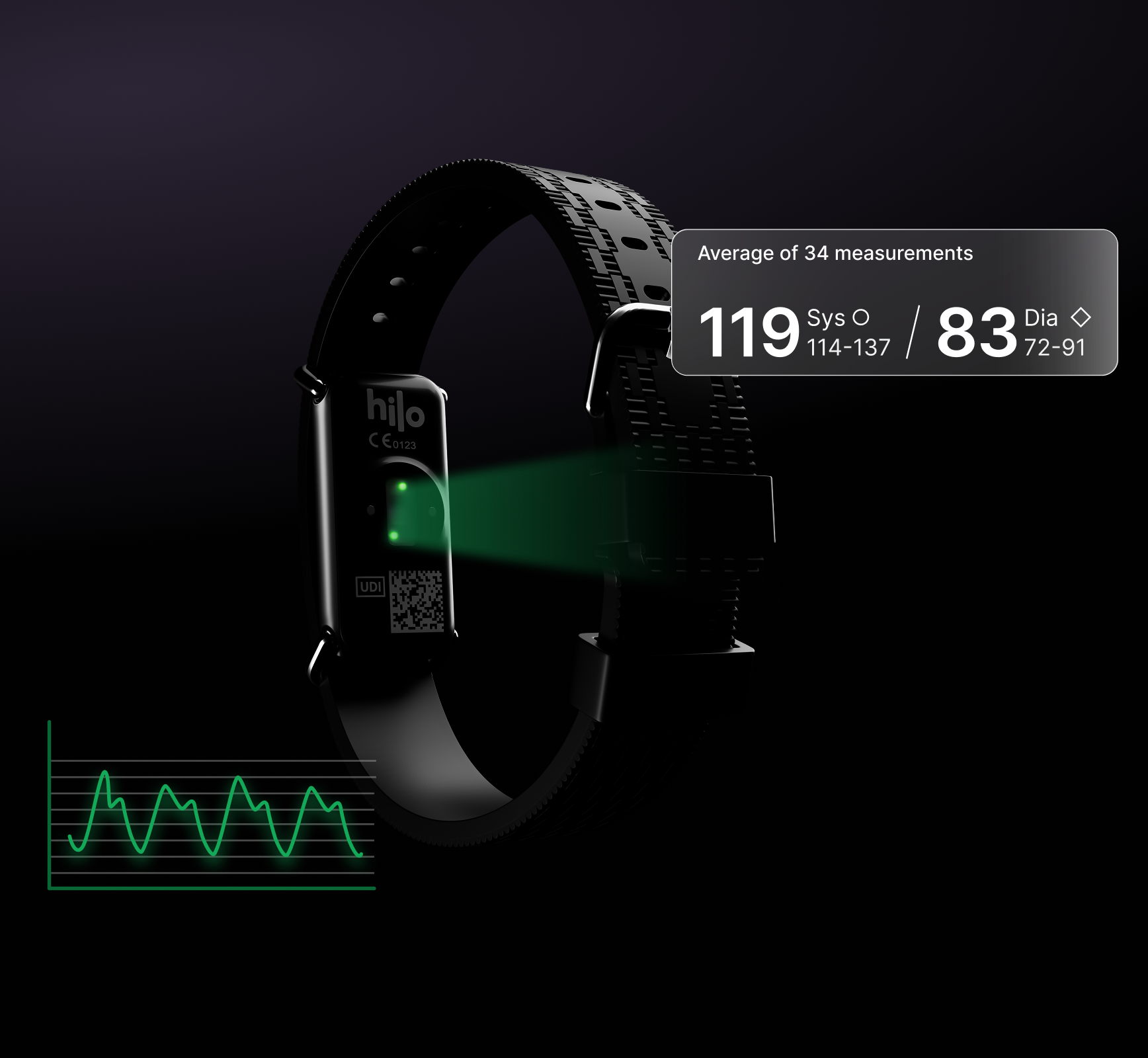
Proven accuracy, trusted technology
CE-marked Class IIa medical device, validated to ISO 81060-2.
Validated accuracy
Hilo’s cuffless monitoring technology has been clinically validated against reference methods for blood pressure measurement, in accordance with the ISO 81060-2 standard.

ISO standard
Validated according to the international ISO 81060-2 standard for blood pressure measurement devices².
Systolic and diastolic accuracy
Mean error within ±5.0 mmHg (Standard deviation ≤8 mmHg).

Real-world validation
Validated across multiple body positions and in everyday conditions.
Hilo has been evaluated in multiple peer-reviewed clinical studies, including comparisons with gold-standard blood pressure measurement methods.
2023
Clinical validation of the Hilo calibration cuff
Key findings
- Validated to ANSI/AAMI/ISO 81060-2 standard
- 85 participants included in the validation study
- Mean error 1.3 mmHg (systolic) and −0.2 mmHg (diastolic)
- 95–99% agreement with reference measurements within ±10–15 mmHg.
2023
Accuracy in older adults
Clinical study evaluating optical blood pressure monitoring in adults aged 60+.
Key findings
- 86 participants aged 60–88 years
- Compared against double-blinded auscultation (clinical reference method)
- Mean error 0.46 mmHg systolic and −0.39 mmHg diastolic
- Validated across sitting, standing and lying positions
2025
Comparison with ambulatory blood pressure monitoring
Prospective clinical study evaluating cuffless monitoring against 24-hour ambulatory blood pressure monitoring (ABPM)
Key findings
- 54 patients included in the study
- 236 measurements per day vs ~51 with ABPM
- Strong agreement with ABPM averages for 24-hour BP
- 79% concordance identifying night-time blood pressure patterns
2025
COOL-BP Study – Remote hypertension monitoring
Prospective clinical study conducted within the Mass General Brigham health system
Key findings
- 28,971 cuffless BP measurements collected
- Significant correlation with home BP monitoring (SBP r=0.57 / DBP r=0.64)
- 87.5% concordance detecting medication-related BP changes
- 91% of patients preferred cuffless monitoring
Why better monitoring matters
Hypertension is one of the leading risk factors for cardiovascular disease worldwide. Yet it often goes undetected or is poorly controlled.

Hilo’s approach to pulse waveform analysis
Hilo estimates blood pressure by analysing pulse waves detected at the wrist.Using optical sensors and advanced algorithms, the system interprets subtle changes in arterial pulse patterns to estimate blood pressure continuously.

PPG sensor
The band shines a green light into the skin to detect tiny changes in blood flow using photoplethysmography (PPG).
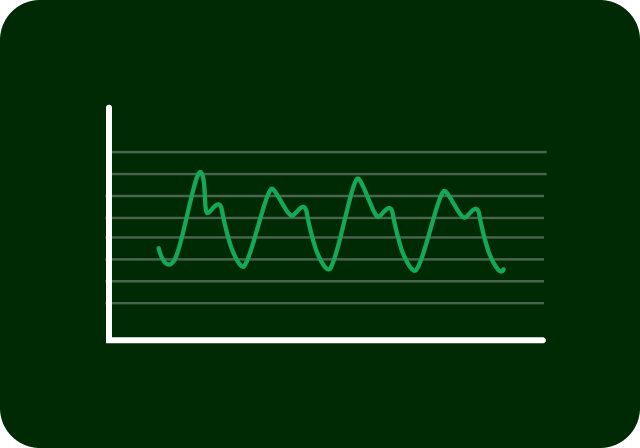
Optical signal
Instead of simply counting heartbeats, the system analyses the shape of each pulse wave detected at the wrist.

OBPM algorithm
Hilo’s Optical Blood Pressure Monitoring (OBPM) algorithms interpret pulse wave patterns to estimate blood pressure.
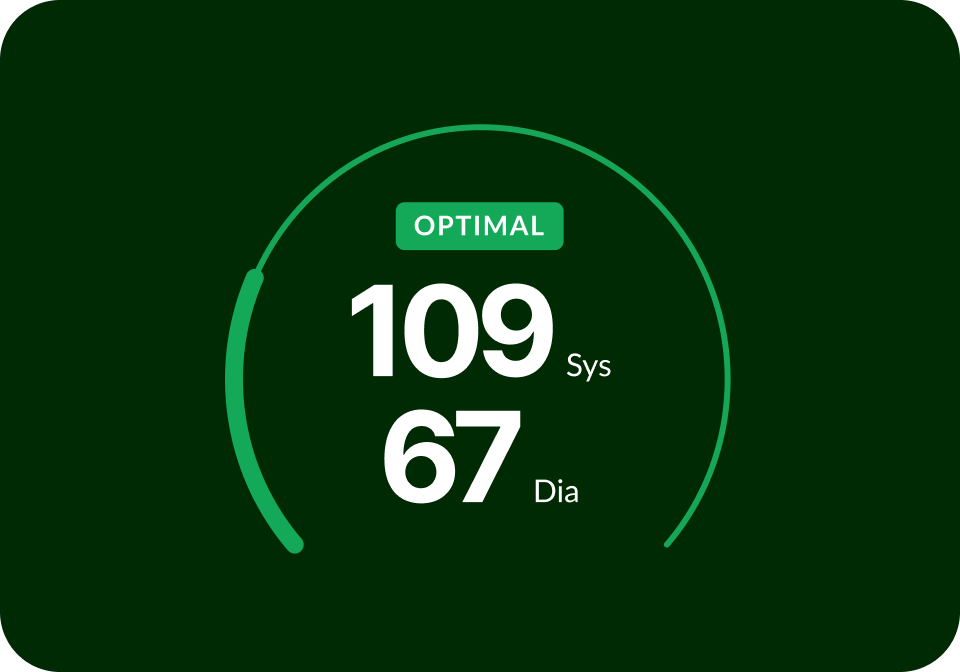
Blood pressure
After calibration and validation, the system can estimate blood pressure continuously without a cuff.
Backed by science
Developed in collaboration with cardiologists, researchers and engineers specialising in cardiovascular health

Pr. Grégoire Wuerzner
Principal Investigator of the pivotal validation studies, CHUV, Switzerland

Dr Tomas Bothe
Dr Tomas Bothe Physician Research Fellow, Berlin Institute of Health (BIH), Charité Berlin; Leibnitz University Hannover; University of Sydney; Menzies Institute, University of Tasmania.

Dr Alexander Lyon
Consultant cardiologist and clinical lead for the cardio-oncology service, Royal Brompton Hospital, UK

Dr Viktor Heinz
Research Fellow, Berlin Institute of Health (BIH), Charité Berlin

Dr Saul Kaufman
HCL Vice-Chair, St Johns Wood and Maida Vale PCN Clinical Director and GP Partner, St Johns Wood Medical Practice, UK
Why continuous blood pressure monitoring matters
Hilo estimates blood pressure by analysing pulse waves detected at the wrist.
Continuous blood pressure monitoring provides insights that single measurements cannot. Clinical research shows it helps to:
Detect patterns that occasional measurements miss
Blood pressure fluctuations can be detected by continuous monitoring - revealing trends.
Understand nighttime blood pressure behaviour
Nighttime blood pressure is an important indicator of cardiovascular risk.
Support treatment decisions
More frequent measurements can help clinicians adjust medication and treatment strategies.
Understand lifestyle effects
Daily activities such as exercise, stress, sleep and diet influence blood pressure patterns.
Maintain blood pressure within target ranges
Tracking changes over time helps support long-term blood pressure management.
Turning measurements into daily insights

Daily averages
Trend graphs
Day vs night comparison