
15 European Holiday Foods That May Raise Blood Pressure
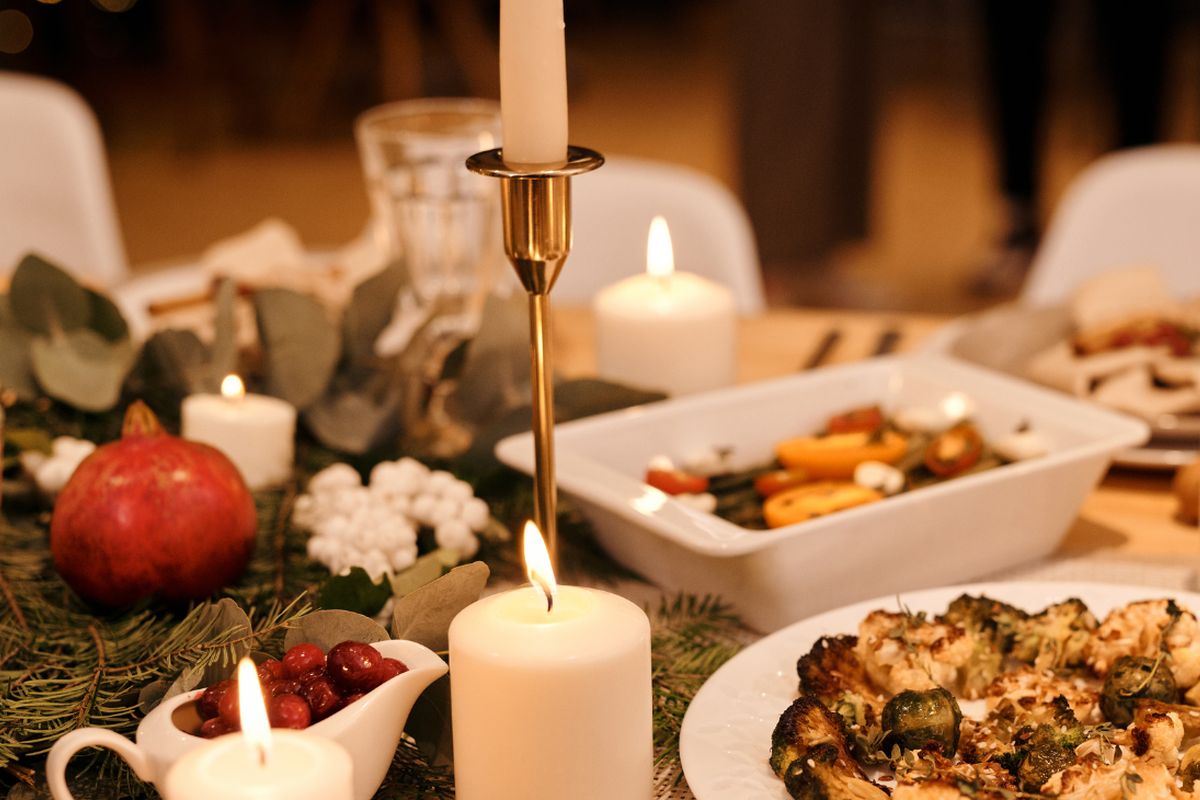
The holiday season is a time of year to relax, enjoy festive traditions, and feast on good food. But can you get away with it?
If you have concerns about your blood pressure, you’ll need to think twice before putting certain foods on your plate.
See the list below to find out which holiday foods may be best to avoid (or at least limit). That way, you can still indulge over Christmas without risking a health setback.
A quick heads up. This list focuses on holiday foods with a lot of salt, sugar, or saturated fat, which are thought to be the three riskiest factors in foods that raise blood pressure.
Ready?
Let’s start our holiday “food tour” of France, Germany, Italy, Switzerland, and the UK.

1. Foie Gras
Translating to “fat liver,” Foie Gras is a specialty food made by fattening the liver of a duck or goose.
The dish is high in sodium, with canned or smoked versions often containing over 600 mg per serving

How much sodium is too much, you may wonder?
It’s generally recommended to stay away from foods with over 200 mg of sodium per serving.
2. Yule Log (Bûche de Noël Yule Log Cake)
Made to represent a wood log in the fire at Christmas time, there’s no denying the Yule Log is a beautiful creation. It scores 10/10 on looks but more like 1/10 for overall health.
Butter, castor sugar sugar, double cream, icing sugar. These ingredients are far from ideal.

One slice for dessert may be fine but make sure not to go overboard.
3. Caviar
Although it’s viewed as a decadent “Apéro” (aperitif), caviar is high in cholesterol and sodium. Can you guess how much sodium is in 100 g of caviar?
1,500 mg!
It’s typically eaten in small portions. Nevertheless, those with hypertension may prefer to steer clear.
Germany

4. Kartoffelsalat mit Wurst
Potato salad with meat sausage is a quintessential German dish.
Be mindful of the fat content and cholesterol in this one, though. Eating a couple of wursts is already around 40 mg of cholesterol.
Remember, those with a risk of heart disease should limit their daily cholesterol to 200 mg or less.
5. Lebkuchen
Lebkuchen are traditional German cookies with similarities to gingerbread. They can be made with some healthier ingredients such as cinnamon, nutmeg, and ground almonds.

But, don’t forget, they also contain a lot of butter and honey (which is high in sugar) and are decorated with icing sugar.
6. Christstollen
Christstollen is a fruit bread made with nuts and spices.
Sounds like a safe option to opt for over the holidays, right?
Hmm, not so much. This German Christmas bread also often includes marzipan and is coated with powdered sugar. It sure looks appetizing but isn’t so healthy, unfortunately!
Italy

7. Antipasto
Antipasto platters serve up everything from cured meats to cheeses, pickles, and olives. Though antipasto is mouth-watering, it’s a salty affair that’s stacked with foods that raise blood pressure.

Cured meats are especially high in sodium, as they are seasoned and preserved with salt.
8. Fried Baccalà
One of Italy’s Christmas specialties, fried baccalà is a deep-fried salt cod coated with crispy batter.
The crunch of the batter is enticing. However, the amount of salt in this dish means that it can’t be classified as blood pressure-friendly.
9. Panettone
Having originated in Milan, panettone has also become popular in other parts of Europe and North America. It’s no wonder. The sweet loaf with almonds and candied fruit is a delight to eat!

Nevertheless, just one piece of panettone can contain over 15% of the daily recommended intake of saturated fat, sodium, and cholesterol.
Switzerland

10. Fondue
Dipping bread in a big pot of melted cheese. What’s not to love?

Well, your blood pressure might not love it. One cup of fondue will quickly mean you’ve exceeded the advised daily intake of saturated fat.
11. Basler Läckerli
This traditional Swiss cookie recipe goes back more than 700 years. Invented by local spice merchants, the cookies feature spices, almonds, honey, candied fruit peel, and a brandy called kirsch.
A significant amount of sugar is usually added too. If you’re going to snack on Basler Läckerli, make sure it’s a small portion.
12. Raclette

Raclette is both a fun and delicious sharing platter for Christmas parties. Guests scrape off the melted cheese and eat it with boiled potatoes.
All that cheese, though? You might be better off resisting this dish.
United Kingdom

13. Pigs in a Blanket
Consisting of small sausages wrapped in bacon, “pigs in a blanket” are a Christmas favorite for many.
Watch out for the saturated fat and sodium content though. Ten of these small sausages will already take you over 60% of the recommended daily saturated fat intake and over 50% of the recommended daily sodium intake.
14. Stuffing
Stuffing is one of the most well-loved side dishes to have alongside roast turkey on the dinner table.

But with over 1,400 mg of sodium per 100 g of stuffing mix, those with high blood pressure will need to take it easy.
15. Figgy Pudding
Figgy pudding is a Christmas classic. Dried figs, suet (meat fat), and drizzled honey or syrup come together for a sweet and savory treat. The combination of ingredients shouldn’t work, yet they do.
The bad news is that it’s also a fat and sugar nightmare. To put this into perspective, a 500 ml figgy pudding has more than 20 g of saturated fat and 180 g of sugar. Yikes!
Closing Thoughts: How to Protect Your Blood Pressure Over the Holidays
Did you manage to look through that list above without salivating? I commend you, if so!
Remember, indulging a little over the holidays isn’t a crime. Traditions and family events are to be enjoyed. But how can you manage to eat your favorite foods while maintaining healthy blood pressure?
Engaging in habits such as exercise and meditation may help to mitigate some of the effects of a holiday meal. Even a short walk after a big holiday dinner can make a difference. The Hilo Band has a built-in step counter that shows how your daily activity levels affect your blood pressure. It tracks your steps automatically, so you can see the benefits of moving more.
It’s also wise to measure your blood pressure throughout the day, especially after meals, to make sure you’re not off track. By doing this, you’ll be able to notice trends in how foods impact your blood pressure levels. It’s not just about food, though. Holiday excitement or stress can also affect your sleep. The Hilo Band now tracks your sleep, showing you how well you’re resting and how it connects to your blood pressure at night. This can help you understand your body’s patterns even during the festive season.
“Changes to your diet can significantly improve your blood pressure. Typically these changes are seen to take an effect over time, rather than immediately. That’s why monitoring your blood pressure consistently is more helpful to show those BP trends over time,” said Dr. Jay Shah, Chief Medical Officer at Aktiia.

Feel free to check out Hilo for a 24/7 blood pressure monitor you can rely on during the holiday season (and beyond!) The device is worn around the wrist and gives you automatic blood pressure readings, day and night and delivers your personalized insights to the Hilo mobile app. To get started, new users complete a simple 4-day calibration process with a traditional cuff. After that, Hilo provides continuous readings 24/7. You only need to recalibrate once a month.
Wishing you and your family a wonderful festive season.
En lire plus

Une épidémie silencieuse se propage parmi les jeunes adultes, une épidémie commune aux personnes d'âge moyen et aux seniors.
Garder votre pression artérielle dans une fourchette saine peut se faire grâce à une alimentation riche en nutriments et un suivi continu de votre tension.
Découvrez la vérité sur l'alcool et la tension artérielle. Une lecture indispensable pour les personnes de plus de 50 ans qui tiennent à leur santé et à leur longévité.

À propos du relecteur médical
Dr Jay Shah
MD, FACC · Conseiller médical & relecteur

À propos de l’auteur
Piotr Kudela
Éditeur de contenu santé, Hilo by Aktiia