
Beetroot juice for high blood pressure
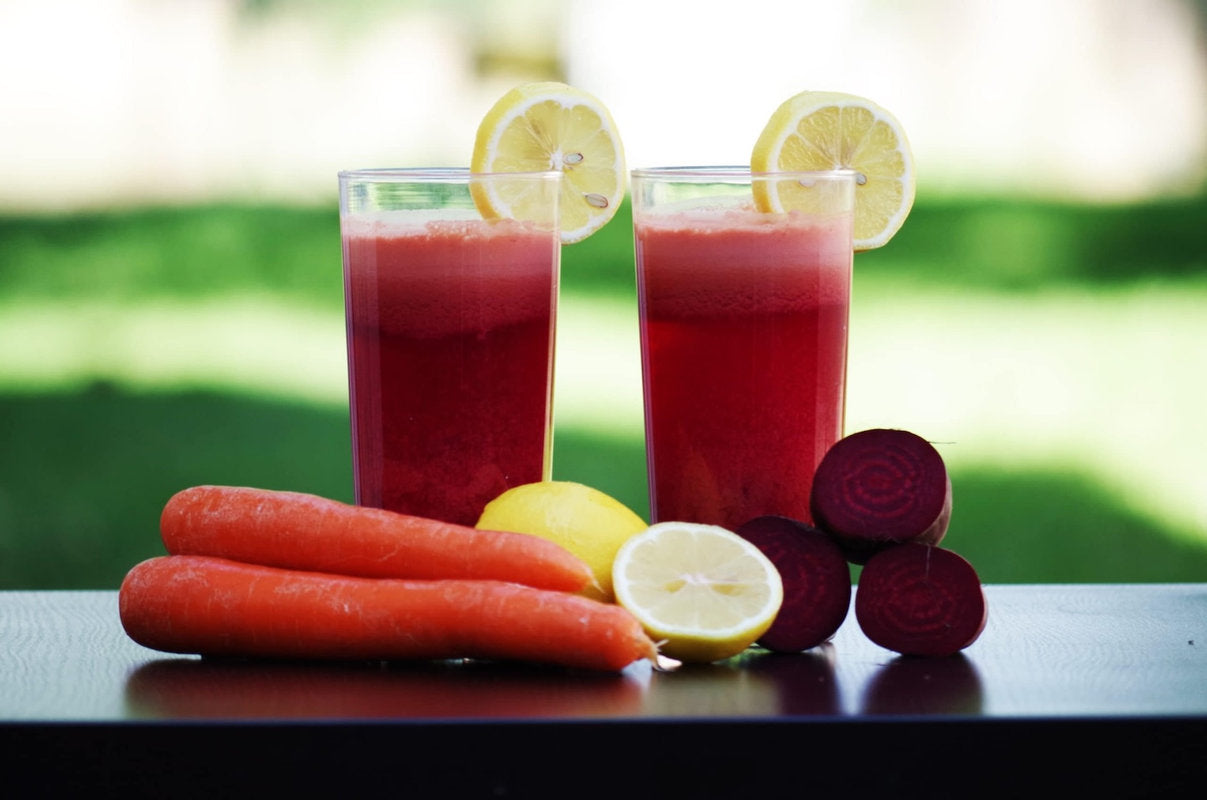
Researchers in the UK have found that having a glass of beetroot juice each day could lower the blood pressure of people suffering from hypertension.
The study from 2015, which was conducted at Queen Mary University of London, found that patients suffering from hypertension who drank 250 ml of beetroot juice a day, saw their blood pressure levels return to the ‘normal’ range by the completion of the study.
How does beetroot juice reduce high blood pressure?
Beetroot juice reduces high blood pressure because it contains high amounts of nitrate. The digestive system automatically converts nitrate NO3 to nitric oxide (NO) and biologically active nitrate (NO2). The role of nitric oxide in the body is to relax and widen the blood vessels, which in turn makes it easy for blood to flow through the body and reduces hypertension.
The study carried out at Queen Mary University of London involved 64 participants, aged 18 to 85. The participants spent four weeks consuming beetroot juice. They were also monitored two weeks prior to the experiment, as well as two weeks after.
Two groups were split randomly. One group took 250 ml of inorganic beetroot juice daily and the other group, the placebo group, took 250 ml of nitrate-free beetroot juice.
Blood pressure levels were reduced by 8/4 mmHg for participants in the group taking inorganic beetroot juice. They also saw a 10 to 20% decrease in their artery stiffness, dilation capacity and blood vessel widening. Unlike the placebo group, where there were no changes to the blood pressure, artery stiffness and blood vessel function.
How much beetroot juice to lower blood pressure?
The study by the Queen Mary University of London suggests that drinking a glass of 250 ml of beetroot juice, on average, daily will reduce your blood pressure by 8/4 mmHg. For many of the participants, this brought their levels back to normal. To find out if beetroot juice can help you reduce your blood pressure you would need to take many measurements over a period of time. Hilo Band’s device does it automatically, even in your sleep.
How long does it take for a glass of beetroot juice to lower blood pressure?
Drinking beetroot juice can reduce blood pressure levels after an hour. After ingestion, blood pressure will reach its lowest point hours later and will continue to have an effect on the levels up to 24 hours after taking your beetroot juice.
Juice to lower blood pressure
There are more juices that are known to have an improving impact on people with hypertension. Drinking natural drinks that contain nitrate, folate, vitamin C, antioxidants and bioactive compounds will reduce your systolic and diastolic blood pressure.
- Tomato juice
- Beet juice
- Prune juice
- Pomegranate juice
- Berry Juice
- Skim milk
- Tea
- Green Juice
- Infused water and smoothies
Disclaimer: Please speak to your health professional before taking these remedies. Your doctor will be best placed to advise on the most appropriate treatment for your hypertension.
To learn more about the Hilo Band’s automated BP monitor sign up to our Newsletter:
Sources:
Daily beetroot juice lowers blood pressure, according to scientists from Queen Mary University of London, January 19, 2015 – https://www.qmul.ac.uk/media/news/2015/smd/daily-beetroot-juice-lowers-blood-pressure-scientists-find.html
Enhanced Vasodilator Activity of Nitrite in Hypertension, April 15, 2013 – https://www.ahajournals.org/doi/full/10.1161/HYPERTENSIONAHA.111.00933
Read more

Garlic has long been touted a treatment for lowering blood pressure in hypertensive individuals, but is there any truth in this claim? This short article will examine the evidence, and provide an a...

Learn how walking can help lower blood pressure, reduce hypertension risk, and support heart health. See how many steps to aim for and how Hilo can help.

Can cannabis help with high blood pressure – or does it do more harm than good? While some studies point to possible positive effects, doctors warn of risks to the heart and circulatory system. Th...

About the medical reviewer
Dr Jay Shah
MD, FACC · Medical Advisor & Reviewer

About the author
Piotr Kudela
Health Content Editor, Hilo by Aktiia