
Blood pressure monitor buying guide
When you go to the doctor’s, it’s not unusual for your physician to take your blood pressure (BP). It’s quick, it’s easy, and knowing your numbers can enable a medical professional to make informed decisions regarding a diagnosis and subsequent treatment plan.
Whilst checking your blood pressure at the doctor’s is commonplace, you don’t have to wait until your next medical appointment. Home blood pressure monitors offer an accessible and accurate way of measuring your blood pressure at home, whenever you wish. And taking blood pressure at home, away from the potentially stressful medical environment, can sometimes give numbers that are lower than at the doctors. This is due to something called ‘white coat syndrome’, where the anxiety of being around medical professionals can make your blood pressure rise.
Most people are familiar with the concept of a BP monitor that uses a cuff placed around your upper arm, having likely seen them on numerous occasions within a medical setting. However, other options are available, including wrist-worn cuffs, and wrist- or finger-mounted devices that avoid inflation of a cuff and usually rely upon taking measurements through the use of light.
In this guide, we will look at the various factors to consider when buying a blood pressure monitor, as well as the ones that are best for home use, the benefits of owning one, and the importance of accuracy in these devices.
What is a blood pressure monitor?
Many people are familiar with blood pressure monitors that use a cuff, which is commonly worn on the upper arm but can sometimes be mounted on the wrist. The technical term for these devices is a ‘sphygmomanometer’.
Once in position, the cuff is inflated, either using a rubber bulb (manual) or electronically (digital). While some doctors prefer the manual version, it’s increasingly common for medical professionals to use automated, digital devices. These instruments inflate the cuff automatically and measure blood pressure through oscillometric detection, where small pressure changes during deflation or inflation are used to calculate both systolic and diastolic blood pressure. While both upper-arm and wrist-worn cuffs are available, it is generally accepted that wrist-worn cuffs are less accurate than the upper-arm version, hence why they are generally avoided unless there is a compelling reason to use one.
In recent years blood pressure technology has advanced significantly, with cuffless blood pressure monitors coming to the fore that can either be worn on the wrist or finger. These cuffless technologies commonly use optical signals (although there are some in development that use other methods) to estimate blood pressure. Some devices take a spot-check measurement at a single point in time, for example once a day or when initiated by the user, and others take measurements more regularly to give you a picture of how your blood pressure varies day or night.
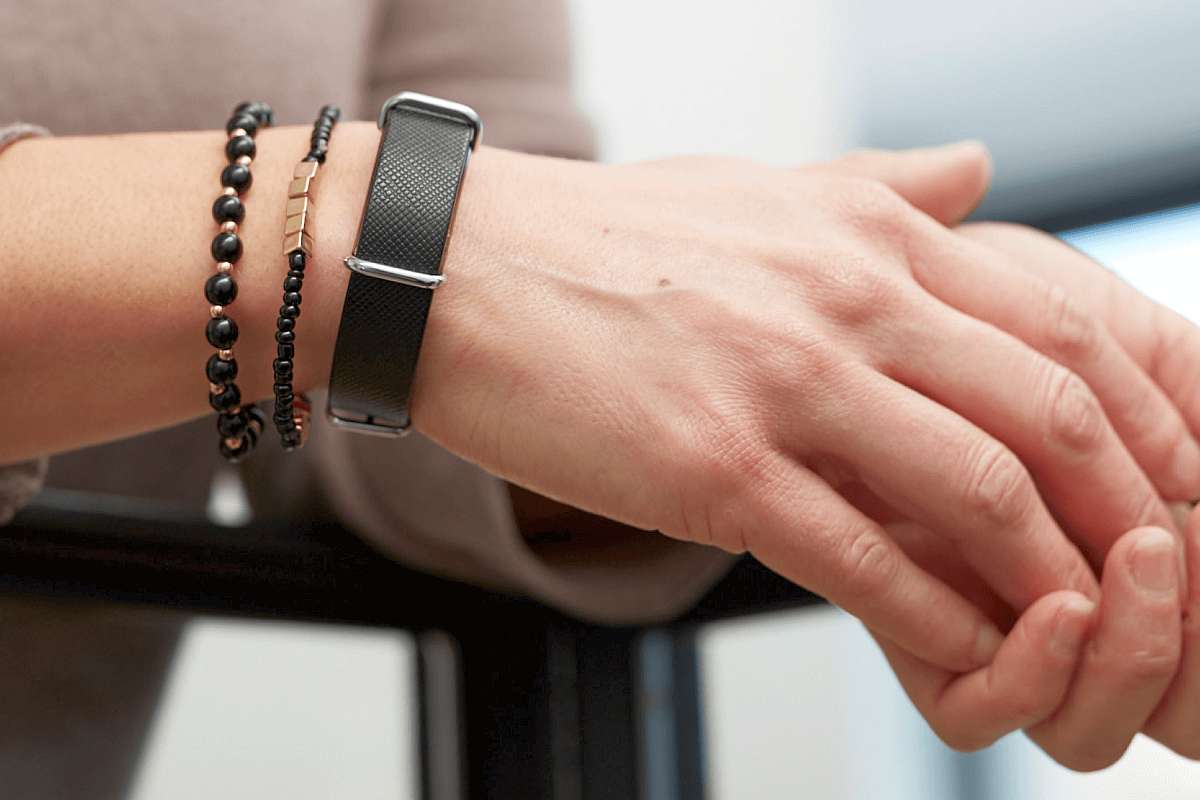
The Hilo Band is an effortless solution for continuous blood pressure monitoring – even while you sleep – taking your BP readings for you automatically day and night. The underlying technology also has FDA and EU approval*, as well as the backing of the British and Irish Hypertension Society (BIHS).
*In total 5 clinical trials were required during the design, development and validation of Hilo technology. Of these, 2 clinical trials supported the validation of the Hilo device for CE marking purposes.
What are the benefits of a blood pressure monitor for home use?
Blood pressure monitoring is beneficial for everyone, and a monitoring device is especially helpful to people who need to keep a close eye on their blood pressure such as:
- People with hypertension
- People with a family history of hypertension
- People with medical conditions that put them at risk of hypertension
- People unable to visit their doctor regularly
By having a blood pressure monitor at home it can save time, money, and worry for those who need to check their blood pressure at a moment’s notice. There is also evidence to suggest home monitoring can help to improve BP control, as well as aid diagnosis of conditions such as white-coat hypertension, masked hypertension, and other cardiovascular indications.
What to consider when buying a blood pressure monitor
With so many BP monitors on the market, it can be challenging to find the best one for you. So here’s a list of factors to consider before splashing the cash.
Arm cuffs, wrist bracelet or electronic device?
Brachial blood pressure monitors are the most traditional form of them all. The name comes from the cuff wrapping around your brachial artery on your upper arm. While they are known to be accurate, and are usually the ‘go-to’ for medical professionals, they can become uncomfortable when inflated and require some level of manual action, as well as forward-planning, to use them.
Wrist-worn cuffs are an option if an arm cuff can’t be used for some reason, using the radial artery for measurement rather than the brachial artery. However, they are known to be less accurate than upper-arm cuffs and are generally not recommended.
Many smart devices, such as the Apple Watch and WHOOP, also offer BP monitoring as part of the health metrics that they can collect. However, it’s crucial to know that the BP function aspect of the WHOOP watch is not FDA-cleared, and although the Apple device has been approved for hypertension detection, it does not give mmHg measurements to the wearer, like an inflatable cuff or Hilo Band.
The final option we will discuss is the Hilo Band, which is a cuffless, medically approved device for continually monitoring blood pressure and giving regular mmHg measurements. The Hilo Band uses optical sensors to automatically measure BP when the in-built accelerometer notes you’ve been still for long enough to collect reliable data. Light is shone onto the skin to measure blood volume changes in vessels below the skin’s surface; as blood flows under higher or lower pressure (caused by the heart pumping) the proportion of light absorbed or scattered changes.
Accuracy
Accuracy is one of the most important factors to consider when buying a blood pressure monitor. If you’re not having your BP taken by a doctor, you need to be sure your home device is as accurate as possible.
Upper-arm cuffs are known to be accurate, so long as they’re used correctly. The British Heart Foundation gives an excellent guide for how to do this. The same guidelines apply to wrist-mounted cuffs too, but it should be noted that they are known to have lower accuracy when compared with the upper-arm versions, as previously discussed.
Using a WHOOP requires wearers to calibrate their baseline blood pressure by logging data in the app from a separate cuff-monitor. After calibration, the device provides a once-daily estimation of blood pressure, however this is currently described as a ‘wellness feature’ and customers must agree to a disclaimer confirming that it is not intended for medical purposes. The Apple Watch recently launched their blood pressure feature, which can monitor wearers for possible signs of hypertension and both the FDA and EU have approved. However, while the Apple Watch can flag signs of possible hypertension, it doesn’t actually measure blood pressure in mmHg, as it would be in a medical setting. So if you have an alert, it’s a good reason to follow-up with your doctor.
The Hilo Band is a cuffless, wrist-worn blood pressure monitor that, importantly, has received independent clinical validation. In Europe, both the Hilo Band and Hilo Lens hold CE marking. In the United States, the underlying technology has FDA clearance for a calibrated spot-check as a medically accurate blood pressure monitor. The various approvals are based on six clinical trials and over 20 peer-reviewed academic publications and patents, which means that Hilo has received the same formal approval as a medical device, or any conventional blood pressure monitor with inflatable cuff that may be purchased in a pharmacy.
Read our Evidence page for more on Hilo’s validated accuracy.
Which blood pressure monitor should you buy?
Whether you choose a wearable monitor that offers a variety of additional features or a basic arm cuff monitor, it’s important to buy the device that fits your needs and lifestyle. Ultimately, the best blood pressure monitor is:
- Accurate
- Comfortable to wear and use
- Cost-effective
- Easy to use
- Helps you manage your health
At Aktiia, we believe our device fits all these criteria, with 24/7 blood pressure monitoring that helps you and your physician understand your blood pressure pattern so that together, you can make an accurate diagnosis. If you do have hypertension, the Hilo Band allows effective and easy monitoring of your BP, and you can also see how any lifestyle changes or potential medical treatments impact it. Furthermore, your physician can keep an eye on your numbers if necessary.
Regardless of the device that you choose, our research has shown that raising awareness of blood pressure increases motivation to keep an eye on BP numbers, and this can’t be a bad thing if it contributes to overall health and wellness. And when it comes to wearing a Hilo Band, our research also revealed that individuals who monitored their blood pressure continuously with a medical-grade wearable device showed better blood pressure control over time and halted the age-related rise in systolic blood pressure typically seen in the general population. This is a big deal, and something that we’re going to keep an eye on in future.
Have further questions about choosing a blood pressure monitor or the Hilo Band itself? Visit our FAQ page or contact us with your inquiry.
Disclaimer: The information in this article is intended for educational purposes only and does not replace medical advice. If you suspect hypertension or are worried about your blood pressure, speak to your doctor. They can advise on the best way to effectively manage it. All data correct at the time of writing.
Sources:
White Coat Syndrome. Cleveland Clinic. https://my.clevelandclinic.org/health/diseases/23989-white-coat-syndrome (Accessed January 2026)
Uncovering the UK’s Blood Pressure Divide: A Nation Under Pressure. Hilo. https://hilo.com/uk/bp-report-2025 (Accessed January 2026)
Hilo by Aktiia: First cuffless blood pressure monitor cleared by the FDA. Hilo. https://hilo.com/uk/pre/hilo-aktiia-g0-fda (Accessed January 2026)
The Hilo Band: the only medically approved device for continually monitoring blood pressure. Hilo. https://hilo.com/uk/art/hilo-vs-cuff (Accessed January 2026)
Find a Blood Pressure Monitor You Can Trust. British and Irish Hypertension Society (BIHS). https://bihs.org.uk/blood_pressure_technology/find_a_professional_bp_monitor (Accessed January 2026)
Choosing The Right Blood Pressure Monitor. Hilo. https://hilo.com/uk/art/how-to-use-a-blood-pressure-monitor (Accessed January 2026)
George, J.; MacDonald, T. M. (2015). Home Blood Pressure Monitoring. Eur. Cardiol. Rev., 10 (2), 95. https://doi.org/10.15420/ecr.2015.10.2.95
Getting a Blood Pressure Check. Blood Pressure UK. https://www.bloodpressureuk.org/your-blood-pressure/getting-diagnosed/getting-a-blood-pressure-check (Accessed January 2026)
Blood Pressure Measurement Devices. Medicines & Healthcare Products Regulatory Agency. https://assets.publishing.service.gov.uk/media/60117932e90e0714325ec41d/Blood_pressure_measurement_devices.pdf (Accessed January 2026)
Which wearable really measures blood pressure? Hilo vs WHOOP vs Apple Watch. Hilo. https://hilo.com/uk/art/hilo-vs-whoop-vs-apple-blood-pressure (Accessed January 2026)
US FDA clears Apple Watch hypertension feature. Reuters. https://www.reuters.com/sustainability/boards-policy-regulation/us-fda-clears-apple-watch-hypertension-feature-2025-09-12 (Accessed March 2026)
How to choose a blood pressure monitor. British Heart Foundation. https://www.bhf.org.uk/informationsupport/heart-matters-magazine/medical/tests/blood-pressure-measuring-at-home#takingareading (Accessed January 2026)
Hilo Band. Hilo. https://hilo.com/uk (Accessed January 2026)
Aktiia’s Hilo Band Becomes First Cuffless Blood Pressure Monitor Cleared by FDA for Over-the-Counter Use. BioSpace. https://www.biospace.com/press-releases/aktiias-hilo-band-becomes-first-cuffless-blood-pressure-monitor-cleared-by-fda-for-over-the-counter-use (Accessed January 2026)
Our Science. Hilo. https://hilo.com/uk/science (Accessed January 2026)
Hilo Band. Hilo. https://hilo.com/uk/blood-pressure-monitor (Accessed January 2026)
Help! I need a kidney! Hanspeter’s story. Hilo. https://hilo.com/uk/art/living-with-pckd-blood-pressure-kidney-transplant (Accessed January 2026)
Weiterlesen

Wie reguliert Kalium den Blutdruck? Der Mineralstoff Kalium nimmt wichtige Aufgaben in unserem Körper wahr. Weil Kalium den Blutdruck senken kann, ist es für Menschen mit Bluthochdruck von beso...
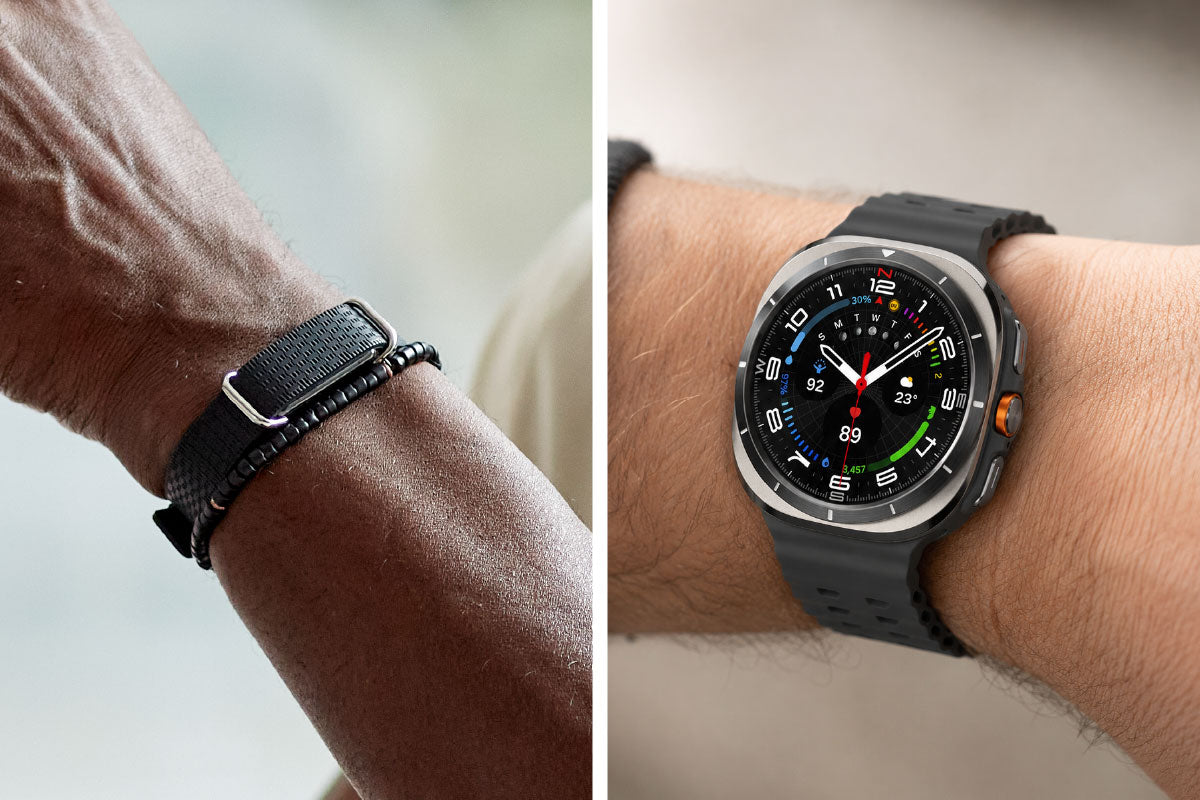
Was passiert eigentlich, wenn du dich bei diagnostiziertem Bluthochdruck täglich auf deine Samsung Galaxy Watch verlässt und glaubst, gut versorgt zu sein? Die Uhr zeigt einen Wert, du fühlst dich...

Blutdruck ab 50? Erfahren Sie hier, welche Werte bedenklich sind und wie Sie Ihre Gesundheit einfach selbst überprüfen können.

Über den medizinischen Prüfer
Dr Sarah Skennerton
Hausärztin, Vereinigtes Königreich

Über den Autor
Piotr Kudela
Redakteur für Gesundheitsinhalte, Hilo by Aktiia