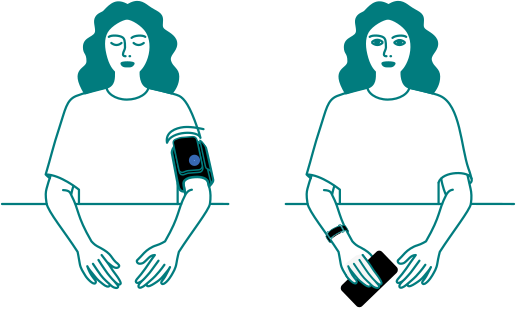


Taking your blood pressure can be time consuming, especially in a medical environment. You’re left wondering whether your reading will be higher this time, whether the measurement is accurate, and whether your mood is affecting the result.
That’s why having your blood pressure monitored on an ongoing basis is important, as you alleviate any of the issues that can happen with one-off readings. For example, when taking a cuff-based blood pressure test at a doctor’s office there’s always the chance you suffer from ‘white coat hypertension’, a falsely high blood pressure reading brought on by the stress of being in a medical environment.
If you measure blood pressure often, you’re more likely to catch problems before they get out of hand.
Why blood pressure monitoring is key
It’s estimated that around one in four Canadians suffers from ‘hypertension’, a medical term for high blood pressure. This means the force of blood pushing against the walls of your blood vessels is too high, and is depicted by a blood pressure reading in excess of 130/80 mm Hg.
Alleviating and mitigating these issues should be a priority, as high blood pressure is the number one cause of heart attacks and strokes around the world, with a mortality rate of around 50,000 people per day.
The worst case scenario is you catch the issue late, which puts you at risk of suffering damage, like damaging the blood vessels in the brain. Hypertension is commonly known as the ‘silent killer’, as it lacks noticeable symptoms but can cause significant damage.
Concerningly, half (46%) of those with hypertension are unaware that they have the condition according to the World Health Organisation, as few regularly take blood pressure readings.
“Hypertension is the single largest preventable risk factor for death, and despite many options for treatment and measurement, is still poorly treated: only 20% of hypertensive people worldwide have their BP under control.”
– Dr Jay Shah, Chief Medical Officer at Hilo Band, Cardiology and Aortic Diseases at Mayo Clinic
Without knowing about the issue it’s unlikely you’ll take steps to improve your blood pressure, examples of which include altering your diet, upping exercise and quitting smoking. As a result it’s possible for issues to snowball.
It’s no wonder that regularly monitoring blood pressure is so important, as you can spot anomalies in data, enabling you to get advice from a trained professional and take measures immediately. It might be that you should alter your diet, do more exercise, or take medication to get things under control.

Get exclusive access to our expert insights and tips for accurate blood pressure monitoring. Sign up for our newsletter today!
How often should blood pressure be checked?
It’s hard to know when and how often you should check your blood pressure.
GP surgeries and pharmacies can check your reading, though that may not be sufficient. Having a home blood pressure monitor is recommended, especially if your doctor tells you to keep track of your levels.
Generally if your blood pressure is on the higher end it makes more sense to take a reading often, ensuring you’re heading in the right direction when it comes to blood pressure levels.
One example of a potential blood pressure monitoring routine comes from Hypertension Canada, which recommends:
- Measuring blood pressure in the morning and the evening for seven days, before your next doctor’s visit or after you change any medications
- Withholding from smoking, drinking caffeine, or using the bathroom 30 minutes before taking your blood pressure.
- Applying a blood pressure cuff on your bare arm and sitting quietly for five minutes.
However, even measuring blood pressure more than once a day can throw up errors.
Why there are errors in blood pressure readings
The questionable accuracy of blood pressure readings is a valid concern, both for patients and medical practitioners, as research from the University of Alberta found that home blood pressure monitors are inaccurate by more than five mmHg 70% of the time.
Here are the main factors that can lead to false readings:
| Being too active before the measurement | You should rest in a seated position for five minutes before a blood pressure reading. Many take a reading in a rush, or forget to wait. |
| Clothing is in the way | Using a blood pressure cuff on top of clothing, even a thin shirt or blouse, can lead to a faulty measurement. |
| Lack of a personalised approach Blood pressure cuff is too tight or not tight enough | Blood pressure cuffs don’t take your arm shape and size, or the age of your blood vessels, into account. If your cuff is too loose, it may cause a lower blood pressure reading. On the flip side, a cuff that is too tight may cause a higher blood pressure reading. |
| Being distracted | Having a conversation can cause blood pressure to increase, even a calm one. This means if you live with others there could be more distractions which disrupt home blood pressure readings. |
| Changing emotional state | Being stressed or anxious can cause blood pressure levels to rise. People often feel slightly more stressed when measuring their blood pressure. |
| Being too hot or cold | Your body temperature fluctuates by 0.5 – 1 °C throughout the day. Blood pressure levels may be higher when you feel cold and lower when you are in a warm environment. |
| Needing to urinate | A full bladder can push blood pressure levels up. |
As you can see, there are a number of factors that can throw a reading off.
This means doctors who use patients’ home readings to prescribe treatments may be using incomplete or inaccurate data, resulting in prescriptions that are either too strong or not strong enough.
Round the clock blood pressure monitoring – is it possible?
Just 20 years ago the answer was no, but technology has since evolved. It’s no wonder that people with either diagnosed or suspected hypertension are turning to more robust and practical methods of monitoring their blood pressure.
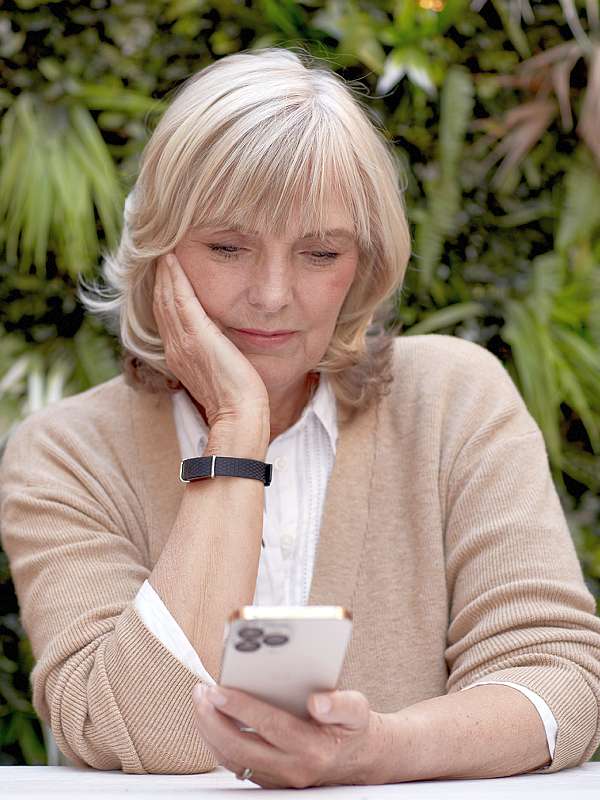
Using the Hilo bracelet you can continually measure blood pressure, which helps medical professionals make the right decisions when it comes to diagnosis and treatment.
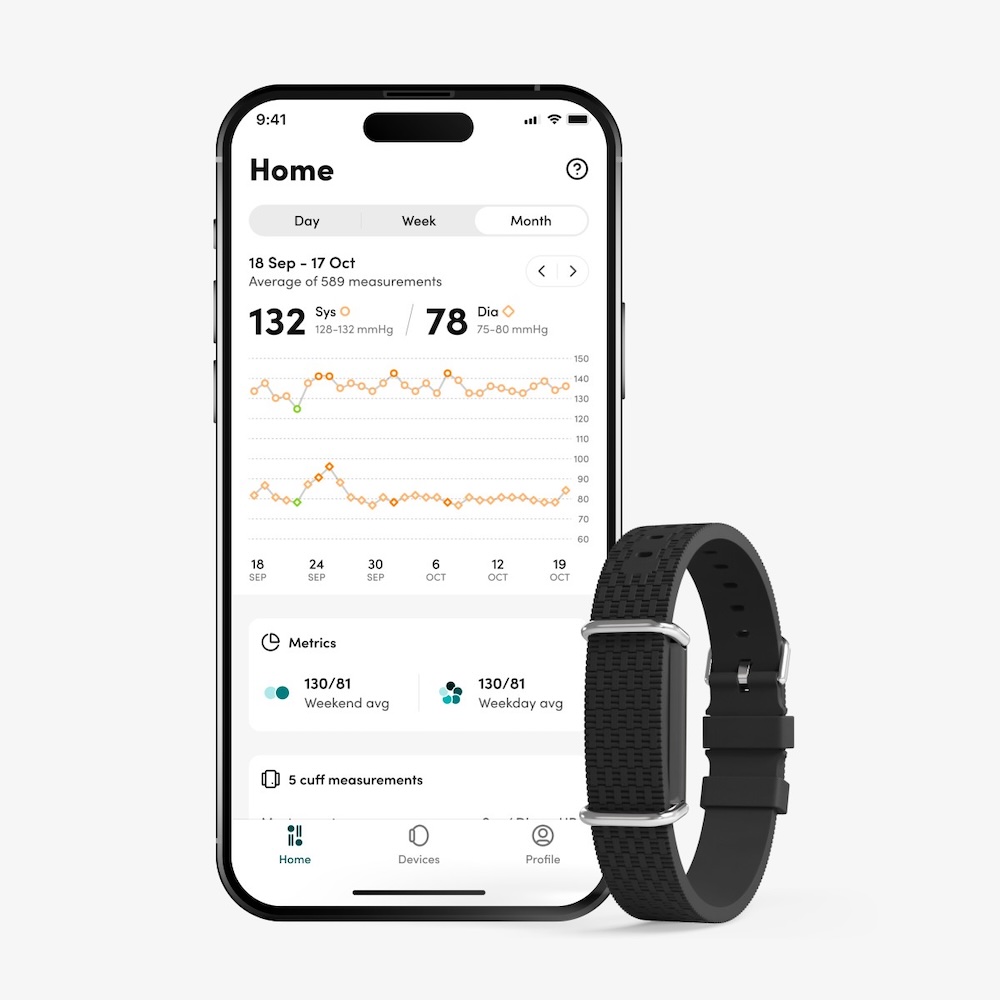
The Hilo blood pressure monitor is:
- Automated – tracks blood pressure automatically day and night, rather than forcing you to take manual readings
- Convenient – is easy to wear, transport, and maintain
- Reliable – provides accurate readings that give peace of mind, as well as supplying doctors with more complete data
As Dr. Jay Shah, Chief Medical Officer at Hilo Band, explains:
“Traditional cuffs are cumbersome and only display blood pressure at one point in time. We need a comfortable, easy, practical solution to gather continual blood pressure data from patients, giving a fuller picture and more accurate information, allowing healthcare providers to work with patients over the long term, which is exactly the purpose and philosophy of Hilo.”
Disclaimer: The information provided in this article is for general information purposes only and is not intended to be a substitute for professional medical advice. Always consult your physician or qualified healthcare provider for any questions related to a medical condition. The author and publisher are not liable for any harm or damage resulting from the use or misuse of the information in this article.
Sources:
Health professionals concerned about blood pressure in Canada, Heart and Stroke Foundation of Canada, https://www.heartandstroke.ca/what-we-do/media-centre/news-releases/health-professionals-concerned-about-blood-pressure-in-canada
Hypertension, World Health Organization, https://www.who.int/news-room/fact-sheets/detail/hypertension
How do I monitor my blood pressure?, Hypertension Canada, https://hypertension.ca/how-do-i-monitor-my-bp
Home blood pressure monitors inaccurate 70 per cent of the time: study, University of Alberta, https://www.ualberta.ca/en/folio/2017/06/home-blood-pressure-monitors-inaccurate-70-per-cent-of-the-time-study.html
Get Serious About Your Cardiovascular Health, Hilo Band, https://hilo.com/uk/blood-pressure-monitor/ (Accessed October 2024).