

Blood Pressure and Alcohol: What You Should Know

Alcohol is a common feature of modern life, which is reflected in the statistics around its consumption. According to NHS Digital:
- In the UK in 2021, 79% of people reported that they had drunk alcohol in the last 12 months, and 49% reported that they drank alcohol at least once a week;
- A higher proportion of men than women had drunk alcohol in the last 12 months (82% and 76%, respectively).
- Overall, 57% of men and 43% of women drank alcohol at least once a week.
Despite its social acceptance – especially among the middle classes – consumption of alcohol is not completely safe and it’s a leading risk factor for over 200 health-related conditions. Regular consumption can have a significant impact upon your health, especially if you consume over the NHS guidance of 14 units per week spread over 3 or more days (roughly equivalent to six pints of average-strength beer or six medium (175ml) glasses of average-strength wine). And, while the physiological and psychological impacts of excessive alcohol consumption can be hidden, some argue that the UK is facing an alcohol crisis.
When consuming alcohol there are both short-term and long-term impacts:
- Short-term, judgement can be impaired, risky behaviours can be followed and social behaviours affected. High levels of consumption can lead to nausea, slurred speech and even death.
- Long-term misuse can lead to severe risks, such as liver damage, cancers and fertility issues, as well as cognitive decline.
Out of sight, out of mind
The issue with over-consumption of alcohol is that the health impacts can be hidden. After a couple of glasses of wine you may not feel hungover the next day, but regularly partaking in a few glasses can have negative consequences. Particularly in relation to blood pressure (BP). And this can be problematic, as any health issues relating to blood pressure are usually hidden: the only way of knowing you have elevated or depressed BP is by taking a physical measurement, either with an inflatable cuff or by using a medically-approved Hilo band.
This short article will outline the effect that alcohol consumption can have on your blood pressure without you even knowing, as well as tips and advice for keeping your BP in check.
Does alcohol raise blood pressure?
Consuming more alcohol than that guideline of 14 units per week, alongside unhealthy lifestyle habits such as excessive salt consumption, being overweight and physical inactivity is a major risk factor for developing hypertension.
When it comes to alcohol, even a couple of drinks can have an adverse effect on your BP measurement. For example, drinking more than three drinks in one sitting will temporarily increase blood pressure and repeated binge-drinking will increase it to sustained and unhealthy levels. While having higher BP every once in a while is unlikely to do any real harm, when elevated BP becomes sustained, that’s when health issues can arise.
A healthy heart will pump blood around the body steadily and at a low pressure. However, alcohol narrows your arteries, meaning that the heart finds it more difficult to pump blood around the body due to increased resistance from the circulatory system. When a person develops hypertension from alcohol use, either short-term or longer-term, it’s because of the cascade of effects that it has on the body. While several mechanisms for blood pressure elevation have been proposed, constriction (narrowing) of blood vessels is a key contributor because the heart has to pump harder to ensure blood keeps flowing throughout the body at a suitable rate. The increased effort required by the heart when blood vessels constrict puts both the heart and arteries under strain, increasing the likelihood of suffering from a stroke, heart attack, kidney disease and other serious health conditions.
Get the latest tips and insights on blood pressure management, straight to your inbox. Sign up for our newsletter today!
How to reduce your alcohol intake to support healthy blood pressure
Too much of a good thing can be a bad thing, but how much is‘too much’? To understand how to reduce your drinking to (and stay in) the safe zone, we’ll unpack the definitions of excessive drinking for men and women.
Men and women should not exceed 14 units of alcohol per week. It’s also advised to spread the intake across three days or more. A unit is a commonly-used way to measure the amount of pure alcohol in a drink. Units are calculated based on the size of the drink (also known as a measure) and the strength of the alcohol (also known as the alcohol percentage).
For example:
- One small single measure (25ml) of spirits (40%) contains 1 unit of alcohol
- A pint of lager, cider or bitter (4%) contains around 2 units of alcohol
- A large glass (250ml) of wine (12.5%) contains around 3 units of alcohol
- A bottle (750ml) of wine (12.5%) contains around 9.5 units of alcohol
Alcohol Change UK’s website contains an easy-to-use unit calculator, and Cancer Research UK’s website has an infographic showing how many units are in various drinks.
Can red wine help lower blood pressure?
For decades, there’s been speculation about the supposed health benefits of red wine. Recent research from Queen’s University in Belfast and Kiel University in Germany suggests that three small glasses of red wine a week (250 mL total) can help lower systolic blood pressure (the larger number), with no impact upon diastolic blood pressure (the smaller number). However, it should be noted that three glasses of wine per week is much lower than the UK guidelines for safe alcohol consumption.
The researchers suggested that the beneficial effect of red wine was because it contains flavenoids, a class of plant-based chemical compounds that have been shown to provide health benefits – in fact, a 2018 study from the University of Reading showed that consumption of dietary flavonoids, found in foods such as cocoa, apples, tea, citrus fruits and berries, can have a positive impact on cardiovascular risk factors such as high blood pressure. However, despite these positive research findings, red wine isn’t a magic cure. If you enjoy it, be sure to limit yourself to moderate amounts. Always speak to your doctor to get the best guidance on the dietary choices that are right for you.
Lifestyle changes to lower blood pressure
The best way to control your BP is through a combination of factors, including a healthy lifestyle, a balanced diet and, if necessary, prescribed medication.
In addition to moderating your alcohol consumption, here are a few ways you can lower high blood pressure:
- Stay hydrated: Dehydration can lower or spike your blood pressure. The NHS recommends drinking 6 to 8 cups or glasses (1.5 to 2.5 litres) of fluids per day.
- Cut back on caffeine: Although your daily cup of coffee is associated with health benefits (it’s packed with antioxidants), multiple coffees throughout the day may be doing more harm than good as caffeine can raise blood pressure after drinking. If you’re having several caffeinated beverages throughout the day, switch some of them to decaf.
- Exercise: Moderate exercise can strengthen your heart and help you maintain a healthy blood pressure. The NHS recommends 150 minutes of moderate aerobic activity every week and two or more days a week of strength exercises. Talk to your doctor before you start a new fitness program.
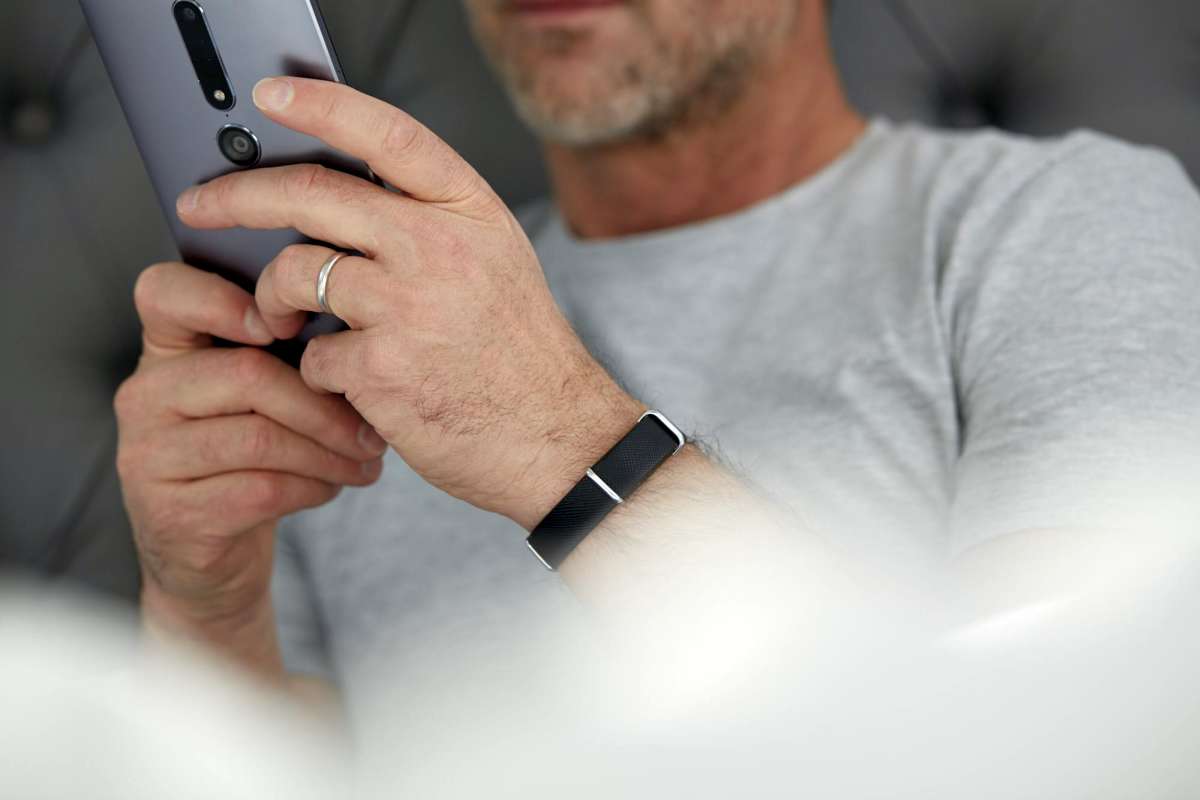
- Monitor your blood pressure: Data can help you and your healthcare professional understand the factors that influence your BP, such as poor sleep and stress. Hilo’s 24/7 blood pressure monitor is the easiest way to keep tabs on your numbers without lifting a finger. Just wear the lightweight bracelet, and your readings will automatically populate in an easy-to-use app; no blood pressure cuffs or finger monitors required.
The bottom line
Although some research suggests that red wine can actually support your heart health, it’s important to remember that moderation is key. UK guidelines state that men and women should not exceed more than 14 units of alcohol per week.
Overall, a healthy lifestyle is the best way to support your blood pressure. That means staying hydrated, getting regular exercise, keeping caffeine and alcohol intake at healthy levels, and managing your stress.
Disclaimer: The information in this article is intended for educational purposes only and does not contain nor replace medical advice. If you suspect hypertension or are worried about your blood pressure, speak to your doctor. They can advise on the best way to effectively manage it.
If you or a loved one are struggling with alcohol consumption, help is available here
Sources:
Health Survey for England, 2021 part 1. NHS Digital (UK). https://digital.nhs.uk/data-and-information/publications/statistical/health-survey-for-england/2021/part-3-drinking-alcohol (Accessed December 2025)
Generation lockdown’s boozing problem: Middle-class parents have ‘normalised’ under-age drinking while pandemic fuelled issue, experts warn as shock report reveals England tops global charts, with one in three having had alcohol by age 11. Daily Mail, 25th April 2024. https://www.dailymail.co.uk/health/article-13348717/lockdown-Middle-class-parents-alcohol-pandemic-UK.html
Overview: Alcohol misuse. National Health Service (NHS), UK. https://www.nhs.uk/conditions/alcohol-misuse/ (Accessed December 2025)
The alcohol health crisis in the UK: Why we need to address our drinking culture. NHS Berkshire Healthcare. https://www.berkshirehealthcare.nhs.uk/news/news-archive/the-alcohol-health-crisis-in-the-uk-why-we-need-to-address-our-drinking-culture/ (Accessed December 2025)
Hilo Band. Hilo. https://hilo.com/uk/blood-pressure-monitor/ (Accessed December 2025)
Alcohol: Does it affect blood pressure? Mayo Clinic. https://www.mayoclinic.org/diseases-conditions/high-blood-pressure/expert-answers/blood-pressure/faq-20058254 (Accessed December 2025)
M. Cecchini; T. Filippini; P. K. Welton et al. (2024). Alcohol Intake and Risk of Hypertension: A Systematic Review and Dose-Response Meta-Analysis of Nonexperimental Cohort Studies. Hypertens., 81 (8), 167. https://doi.org/10.1161/HYPERTENSIONAHA.124.22703
How can I cut down on alcohol? Cancer Research UK. https://www.cancerresearchuk.org/about-cancer/causes-of-cancer/alcohol-and-cancer/how-can-i-cut-down-on-alcohol (Accessed December 2025)
Unit calculator. Alcohol Change UK. https://alcoholchange.org.uk/alcohol-facts/interactive-tools/unit-calculator (Accessed December 2025)
A. Jennings; M. Koch; C. Bang; A. Franke; W. Lieb; A. Cassidy (2021). Microbial Diversity and Abundance of Parabacteroides Mediate the Associations Between Higher Intake of Flavonoid-Rich Foods and Lower Blood Pressure. Hypertens., 78, 1016. https://doi.org/10.1161/HYPERTENSIONAHA.121.17441
A. Rees; G. F. Dodd; J. P. E. Spencer (2018). The Effects of Flavonoids on Cardiovascular Health: A Review of Human Intervention Trials and Implications for Cerebrovascular Function. Nutrients, 10 (12), 1852. https://doi.org/10.3390/nu10121852
How to Lower High Blood Pressure Naturally, Without Medication. Hilo. https://hilo.com/uk/art/lower-blood-pressure-naturally/ (Accessed December 2025)
Can drinking cold water lower your blood pressure? Hilo. https://hilo.com/uk/art/can-drinking-water-lower-blood-pressure/ (Accessed December 2025)
Water, drinks and hydration. National Health Service (NHS), UK. https://www.nhs.uk/live-well/eat-well/food-guidelines-and-food-labels/water-drinks-nutrition/ (Accessed December 2025)
Physical activity guidelines for adults aged 19 to 64. National Health Service (NHS), UK. https://www.nhs.uk/live-well/exercise/physical-activity-guidelines-for-adults-aged-19-to-64/ (Accessed December 2025)
Hilo. Hilo. https://hilo.com/uk/how-it-works/ (Accessed December 2025)
Read more

Keep your mind sharp post-50. Discover the critical role your blood pressure plays in memory and thinking. Read now!

Discover how families can work together to prevent high blood pressure. Learn practical strategies for heart health across generations and the benefits of open communication about health.
Discover why your blood pressure might spike at night and how it can impact your diabetes. Learn now!

About the medical reviewer
Dr Sarah Skennerton
GP, United Kingdom