
Joining the Dots: Sleep, Blood Pressure, Health and Wellbeing
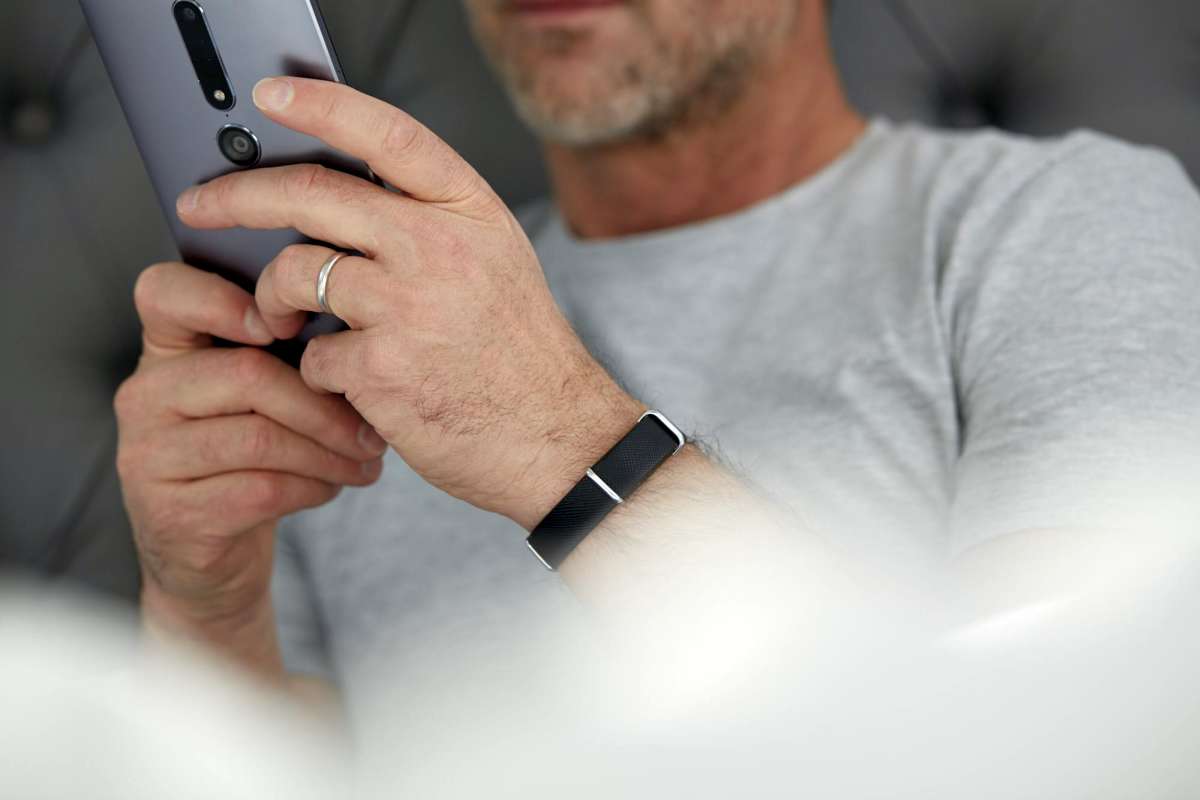
Healthy sleep habits and blood pressure go hand in hand, with individuals sleeping less than 6 hours a night at risk of developing high blood pressure. But it’s more than just the number of hours you sleep that’s important – your blood pressure naturally fluctuates throughout the night and day as part of its natural rhythm, and if it doesn’t do this, there might be a problem.
This short article will consider how a lack of sleep can impact upon your numbers, what your blood pressure should do overnight (and what it can mean if it doesn’t) and how sleep and your circadian rhythm are related. It will also touch on the impact of sleep on your cardiovascular system, sleep apnoea and how it can affect your health, and finally highlight the easiest way to collect continuous blood pressure data, day and night, without lifting a finger.
Sleep keeps more than blood pressure in balance
Healthy sleep habits and your blood pressure measurements are directly related. In fact, continuing with the sleep analogy, they can be considered to be on opposite sides of the same bed. On the one side, is you sleeping. On the other is your blood pressure, changing in response to your sleep patterns, as well as other health or lifestyle events.
In some ways, your blood pressure (BP) is a window to your health, and having blood pressure that’s within the healthy range is a stable foundation for a long and healthy life. But if your sleep pattern is disrupted – for example through not getting deep sleep, not sleeping for long enough, or even sleeping in – it can have an impact on your BP. And, if this happens over an extended period, it can increase your risk of developing high blood pressure (hypertension), and expose you to other related health risks including cardiovascular disease, stroke, or heart attack.
However, while we know that a lack of sleep causes high blood pressure, we’re not entirely sure why. What we do know is that poor sleep means that blood pressure levels and heart rate remain elevated overnight, compared to normal. We also know that poor sleep impacts upon the renin-angiotensin-aldosterone system (RAAS), a key hormone pathway that controls BP, fluid balance and electrolyte levels in the body through the kidneys, blood vessels and heart. And any changes to the RAAS system can have a big effect on your body.
The Hilo Band can now track sleep duration, giving you insights into how sleep impacts your BP.
Blood pressure: not a static measurement
While we often think of blood pressure as a single, static number, it’s actually constantly fluctuating. In a healthy individual, blood pressure will start to rise a few hours before we wake and will then continue to rise until around midday, which is when it’s at its highest. BP tends to fall during the late afternoon into the evening, and overnight it should be at its lowest.
Irregular patterns of blood pressure include:
- high blood pressure during the night;
- high blood pressure early in the morning;
- a drop in blood pressure of less than 10% overnight (non-dipping blood pressure)
In some cases, these irregularities can be indicative of underlying health conditions, such as badly controlled hypertension, obstructive sleep apnoea, kidney disease, diabetes, thyroid disease or a nervous system disorder. In other cases, poor sleep can be a contributor.
High BP overnight: the impact
As noted above, poor sleep can impact upon your RAAS pathway, which can dysregulate your blood pressure, with one of the outcomes being increased urine production overnight, likely disturbing your sleep further and compounding the problem. Furthermore, nocturnal hypertension (or a lack of ‘dipping’ in BP overnight) has also been noted to increase the risk of serious cardiac illness: a 2020 study by the Japan Ambulatory Blood Pressure Monitoring Prospective (JAMP) revealed that a high nighttime systolic BP (the larger number) was associated with an increased risk of heart disease and heart failure.
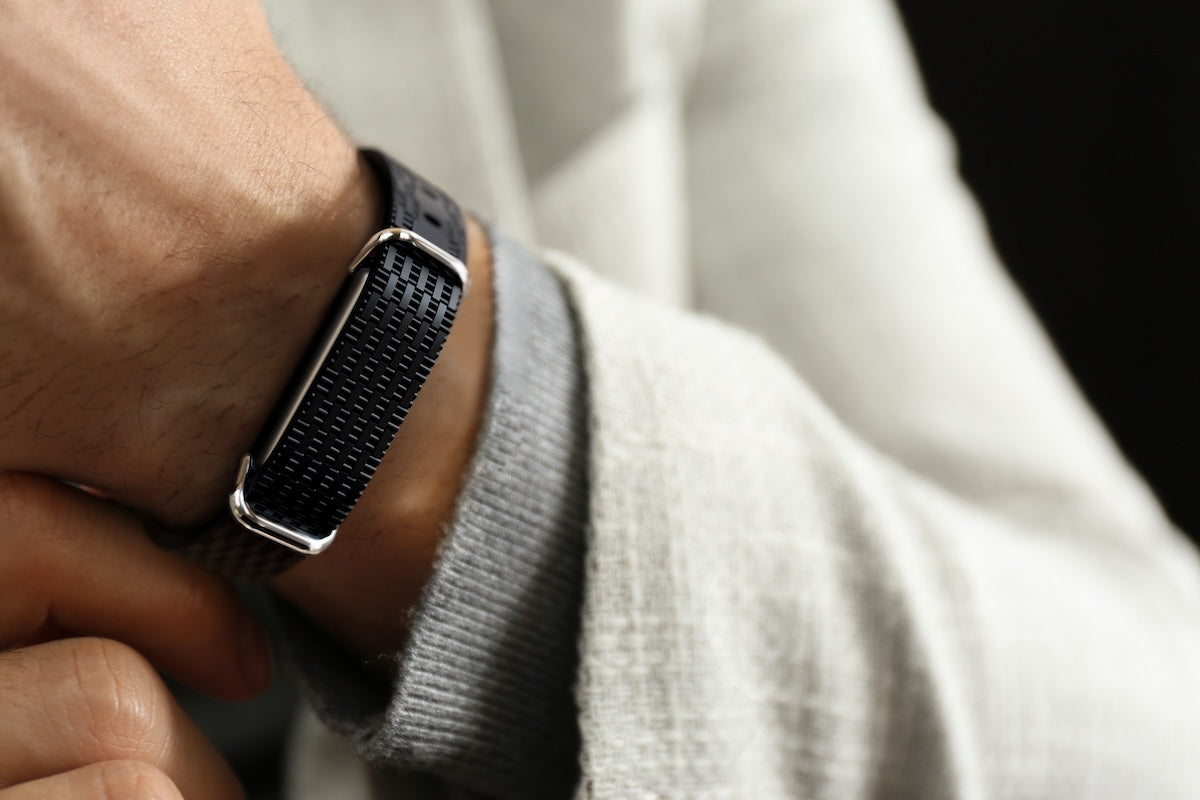
Concerningly, a study from the University of Oxford found that around 15% of UK adults aged between 40 and 75 may have a form of undiagnosed high blood pressure (hypertension) that occurs only at nighttime. Unfortunately, up until now, the only way to detect this condition was through ABPM, the continuous monitoring of blood pressure over a 24-hour period. During ABPM the patient has to wear a special BP cuff that regularly inflates to take measurements, even at night, causing more sleep disturbances. That’s where the Hilo Band changes things, by silently and continually measuring your blood pressure with no inflation, no discomfort and no sleep interruptions.
BP, sleep and stress
Sleep plays a vital role in regulating stress hormones, which helps maintain a healthy heart rate and support vascular health. Chronic sleep deprivation may lead to prolonged periods of increased blood pressure during waking hours, putting added strain on the heart and blood vessels. This constant pressure can lead to less flexible arteries, making them more prone to damage, further elevating your risk of hypertension.
Poor sleep and obesity risk
Persistent lack of sleep is also closely linked to obesity and high blood pressure, both of which are major risk factors for cardiovascular diseases. When sleep is compromised, the body’s ability to regulate essential functions, such as metabolism and stress response, can be disrupted. In the case of obesity, sleep deficiency may lead to imbalances in the hormones that control appetite. This can lead to increased hunger and cravings for high-calorie, sugary foods, promoting weight gain. Plus, lack of sleep may reduce the body’s ability to digest these foods efficiently.
Make sleep central to your heart’s health
Recent research in the US has highlighted the importance of consistent, restorative sleep for healthy blood pressure levels, and a recent study on around 7000 midlife adults pointed out the alarming connection between sleep problems and heart-disease risk. The findings revealed that those experiencing a combination of sleep issues, for instance having trouble falling asleep and sleeping less than six hours a night, had nearly triple the risk of heart disease.
Sleep apnoea and blood pressure: a dangerous duo
Sleep apnoea, specifically Obstructive Sleep Apnoea (OSA), is a condition characterized by repeated interruptions in breathing during sleep. These interruptions can last from a few seconds to minutes and may occur 30 or more times per hour. Where the oxygen level in the blood drops, there are a cascade of effects on the cardiovascular system:
- Impact on blood pressure. When breathing is interrupted, the body’s immediate response is to increase the heart rate and constrict blood vessels to ensure that enough oxygen reaches vital organs. This reaction leads to a temporary spike in blood pressure which, over time, can contribute to a persistent increase.
- Nighttime awakening. Brief stoppages in breathing often cause wakeful nights and prevent the body from entering deeper, restorative stages of sleep, where BP naturally dips. The resulting lack of deep sleep can contribute to overall higher blood pressure levels.
- Long-term cardiovascular risks. Persistent high blood pressure is a well-known risk factor for heart disease, stroke, and heart failure. People with untreated sleep apnoea may find it more challenging to control their blood pressure, even with medication, leading to increased long-term cardiovascular risks.
- Combined health issues. It’s worth noting that sleep apnoea often coexists with other health conditions that can also affect blood pressure, for example diabetes.
Hilo Band: BP monitoring day and night
The relationship between sleep, blood pressure and other health issues underline the need for collecting BP data day and night, presented in a clear and easy-to-understand way allowing you to see if there are any unusual patterns in your numbers. The Hilo Band does just this. The initial set-up will be spread over 4 days, with one calibration (consisting of three consecutive inflations) per day, using an inflatable cuff, which is provided. After that, you’ll only have to make one calibration per month and voilà! This gives the algorithm the information needed to learn your baseline data with maximum accuracy. Once these calibration data are in, the photoplethysmography (PPG) sensors measure optical signals from the wrist and use Pulse Wave Analysis (PWA) to calculate blood pressure automatically, giving on average 25 measurements per day – and, importantly for the context of this article, overnight, so you can see what your BP does while you’re asleep.
On top of this, the updated Hilo app allows you to see both sleep duration and sleep patterns, so you can see exactly how many hours of shut-eye you’re getting and if your sleep impacts your BP numbers. And, of course, like your BP measurements, collecting your sleep data requires no additional input from the user.
But if your Hilo Band reveals that you are sleeping badly, what can you do? A good place to start is by working with your body’s natural rhythm.
Work with your natural rhythm
The circadian rhythm is the body’s internal clock, regulating physiological changes over a 24-hour cycle. It affects blood pressure, which naturally dips during the night as part of restorative sleep, then rises before waking. Your circadian cycle aligns with the body’s need for rest and activity, demonstrating the intertwined relationship between sleep and overall health. Working with your natural circadian rhythm can go some way toward alleviating any sleep issues, as well as improve mood.
A great way to help your circadian rhythm is to get outside. Some simple lifestyle changes that help you work in harmony with your circadian cycle are:
- Seeking out sunlight exposure right after waking up
- Following a consistent sleep schedule
- Getting at least some moderate exercise every day
- Avoiding caffeine after noon
- Limiting artificial light before bed (keep that smartphone out of the bedroom!)
- Only napping for short period, and early afternoon at the latest
- Creating a bedroom environment that’s conducive to sleep
Want to learn how to monitor your blood pressure effectively? Sign up for our newsletter and stay ahead of the curve!
In fact, a 2022 study showed a direct relationship between the amount of time spent in outdoor light and an individual’s mood, sleep, and circadian rhythm-related outcomes. The researchers said “greater time spent in outdoor light during the day was associated with fewer depressive symptoms, lower odds of using antidepressant medication and lower odds of lifetime recurrent major depressive disorder, greater ease of getting up in the morning, less tiredness, better sleep, and earlier chronotype”. It’s the better sleep finding that’s relevant here, as better sleep can directly impact upon your BP and therefore your heart health, although the other benefits are also important.
The holistic health benefits of a rested body
The connections between sleep and cardiovascular health are clear: a well-rested body not only ensures a healthy heart but also maintains optimal blood pressure levels. Recognizing and addressing sleep-related issues is a crucial step toward overall wellbeing. In our fast-paced world, the heart-healthy benefits of a good night’s sleep are as vital as ever, not only for keeping your blood pressure in check.
The information in this article is intended for educational purposes only and does not contain nor replace medical advice. If you suspect hypertension or are worried about your blood pressure, speak to your doctor. They can advise on the best way to effectively manage it.
Sources
Sleep deprivation: A cause of high blood pressure? Mayo Clinic. https://www.mayoclinic.org/diseases-conditions/high-blood-pressure/expert-answers/sleep-deprivation/faq-20057959 (Accessed January 2026)
Know Your Numbers: The Importance of At-home Blood Pressure Readings for Good Health. Hilo. https://hilo.com/uk/art/what-do-blood-pressure-readings-mean/ (Accessed January 2026)
Irregular sleep schedule linked to high blood pressure. American Heart Association. https://www.heart.org/en/news/2023/03/28/irregular-sleep-schedule-linked-to-high-blood-pressure (Accessed January 2026)
High Blood Pressure. National Health Service (NHS), UK. https://www.nhs.uk/conditions/high-blood-pressure/ (Accessed January 2026)
A. V. Sá Gomes e Farias, M. Peixoto de Lima Cavalcanti, M. Alcântara de Passos Junior, B. del Vechio Koike (2022). The association between sleep deprivation and arterial pressure variations: a systematic literature review. Sleep Med. X., 4, 100042. https://doi.org/10.1016/j.sleepx.2022.100042
Renin-Angiotensin-Aldosterone System (RAAS). Cleveland Clinic. https://my.clevelandclinic.org/health/articles/24175-renin-angiotensin-aldosterone-system-raas (Accessed January 2026)
Does the time of day affect blood pressure? Hilo. https://hilo.com/uk/art/blood-pressure-time-of-day/ (Accessed January 2026)
K. Kario, S. Hoshide, H. Mizuno et al. (2020). Nighttime Blood Pressure Phenotype and Cardiovascular Prognosis: Practitioner-Based Nationwide JAMP study. Circulation, 142, 1810. https://doi.org/10.1161/CIRCULATIONAHA.120.049730
Night-time blood pressure assessment is found to be important in diagnosing hypertension. University of Oxford. https://www.ox.ac.uk/news/2022-09-23-night-time-blood-pressure-assessment-found-be-important-diagnosing-hypertension (Accessed January 2026)
Ambulatory blood pressure monitoring. National Health Service (NHS), UK. https://www.nbt.nhs.uk/our-services/a-z-services/cardiology/cardiology-patient-information/ambulatory-blood-pressure-monitoring (Accessed January 2026)
Hilo Band. Hilo. https://hilo.com/uk/blood-pressure-monitor/ (Accessed January 2026)
How a Lack of Sleep Contributes to High Blood Pressure. Cleveland Clinic. https://health.clevelandclinic.org/can-lack-of-sleep-cause-high-blood-pressure (Accessed January 2026)
Snooze more, eat less? Sleep deprivation may hamper weight control. Harvard Health Publishing. https://www.health.harvard.edu/blog/snooze-more-eat-less-sleep-deprivation-may-hamper-weight-control-202204042718 (Accessed January 2026)
Obesity and Sleep. Sleep Doctor. https://www.sleepfoundation.org/physical-health/obesity-and-sleep (Accessed January 2026)
Addressing poor sleep may help heart health. Harvard Health Publishing. https://www.health.harvard.edu/blog/struggling-to-sleep-your-heart-may-pay-the-price-202203092701 (Accessed January 2026)
S. Lee, C. X. Mu, M. L. Wallace et al. (2022). Sleep health composites are associated with the risk of heart disease across sex and race, Sci. Rep., 12, 2023. https://doi.org/10.1038/s41598-022-05203-0
Sleep Apnoea. National Health Service (NHS), UK. https://www.nhs.uk/conditions/sleep-apnoea/ (Accessed January 2026)
Managing Diabetes and High Blood Pressure – 9 Support Strategies for Family Caregivers. Hilo. https://hilo.com/en-gb/blogs/art/diabetes-high-blood-pressure (Accessed January 2026)
How does it work? Hilo. https://support.hilo.com/en/support/solutions/articles/80000933731-how-does-it-work- (Accessed January 2026)
A. C. Burns, R. Saxena, C. Vetter et al. (2021). Time spent in outdoor light is associated with mood, sleep, and circadian rhythm-related outcomes: A cross-sectional and longitudinal study in over 400,000 UK Biobank participants, 295, 347. https://doi.org/10.1016/j.jad.2021.08.056
White Coat Syndrome. Cleveland Clinic. https://my.clevelandclinic.org/health/diseases/23989-white-coat-syndrome (Accessed January 2026)
Hypertension: what is it? National Institute for Health and Care Excellence (NICE). https://cks.nice.org.uk/topics/hypertension/background-information/definition/ (Accessed January 2026)
Get the Measure of Motivation: The Hilo Effect on Your Blood Pressure. Hilo. https://hilo.com/uk/art/measure-motivation-hilo-effect/ (Accessed January 2026)
A Nation Under Pressure: Uncovering the UK’s Blood Pressure Divide. Hilo. https://hilo.com/uk/bp-report-2025/ (Accessed January 2026)
Read more

Apple cider vinegar is often linked to lower blood pressure, but does the science support it? Here’s what to know before adding it to your routine.
Some medical conditions can affect your BP data if it’s being taken at the doctors. This article will look at some of those conditions, and consider ways of managing them.

Garlic has long been touted a treatment for lowering blood pressure in hypertensive individuals, but is there any truth in this claim? This short article will examine the evidence, and provide an a...
About the medical reviewer
Dr Sarah Skennerton
GP, United Kingdom

About the author
Piotr Kudela
Health Content Editor, Hilo by Aktiia