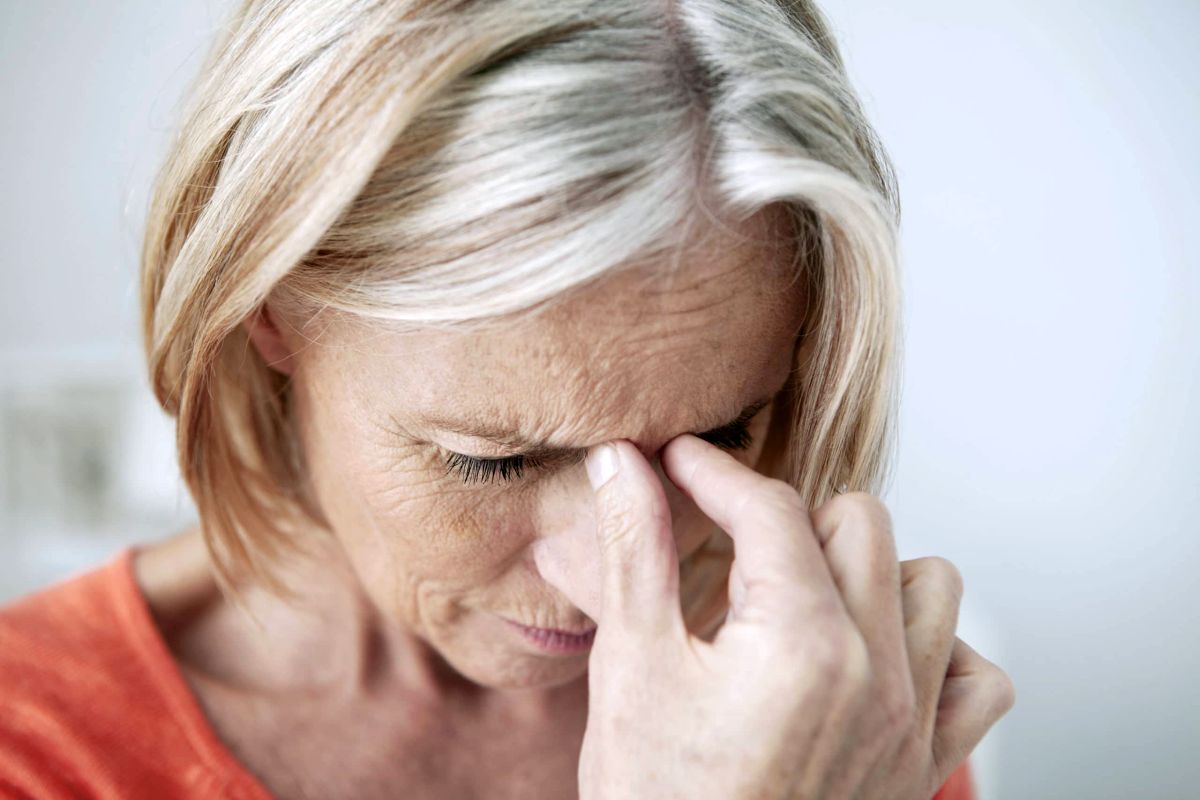
You stand up from the sofa and the room tilts for a second, or you feel light-headed after a big Sunday lunch. It is easy to assume something is wrong, but for most people, a low reading is nothing to worry about (NHS). This guide explains what actually counts as low blood pressure, why it tends to happen after standing or eating, and the practical steps that can help you manage it day to day.
Key Takeaways
- What counts as low: low blood pressure is defined mainly by symptoms, such as dizziness or light-headedness, rather than a number alone. A reading below 90/60mmHg can be seen as an indication, but living with readings below that is most likely fine if you have no symptoms.
- Two everyday triggers: blood pressure often dips after standing up too quickly or after a large meal.
- Falls are the real risk: dizziness and fainting from low blood pressure can lead to falls, which is the main reason it’s worth managing.
- Spot your own pattern: knowing when your blood pressure tends to dip gives you something concrete for your GP, and tools like Hilo can help you see that pattern.
What Counts as Low Blood Pressure?
Blood pressure is measured in millimetres of mercury (mmHg), written as two numbers: systolic over diastolic. Low blood pressure is defined mainly by the presence of symptoms, such as dizziness or light-headedness, rather than a number on its own. A reading below 90/60mmHg can be seen as an indication, but living with readings below that threshold is most likely fine when you have no symptoms. Normal blood pressure runs above 90/60mmHg, up to around 120/80mmHg (NHS; Cleveland Clinic).
That said, a single home reading at or just below 90/60mmHg is no cause for concern when there are no symptoms (Mayo Clinic). What matters more than the number itself is when and why it drops, which is where the two most common everyday triggers come in.
The Two Everyday Triggers: Standing Up and Eating
The most common cause of a sudden dip is standing up too quickly. This is called orthostatic, or postural, hypotension, and it’s diagnosed when systolic blood pressure drops by 20mmHg or more, or diastolic by 10mmHg or more, within a few minutes of standing; this should be tested in a medical setting (Freeman et al., 2011; Cleveland Clinic).
This becomes more common with age. An estimated 5% of people have orthostatic hypotension at 50, rising to more than 30% of people over 70 (Ricci et al., 2015; Cleveland Clinic). If you’ve noticed it happening more often as you’ve got older, you’re not imagining it.
The second trigger is eating. Postprandial hypotension is a drop in blood pressure after a meal, caused by blood being redirected towards the digestive system. Eating rapidly digested carbohydrates, such as white bread, pasta, rice, cakes and biscuits, can make this drop more pronounced (British Heart Foundation). Standing and eating are only two of several everyday blood pressure fluctuations worth knowing about.
When Medication Is the Cause
Several types of medication can cause low blood pressure as a side effect, including medicines that treat high blood pressure itself, heart failure, erectile dysfunction, certain neurological conditions and depression (Cleveland Clinic). These side effects are well known and should be discussed with a physician, and medication must never be stopped without physician consultation, as doing so can cause health damage.
If a medication turns out to be the cause, a doctor may change it, lower the dose, or stop it altogether. Never adjust or stop a medication yourself without speaking to a doctor first (Mayo Clinic). This is also where noticing your own pattern becomes genuinely useful: if your dips tend to cluster a few hours after a morning or evening dose, that timing detail is exactly the kind of thing worth raising at your next appointment.
Practical Ways to Manage Low Blood Pressure Day to Day
None of the following replaces medical advice, but these are the everyday measures most commonly recommended for managing low blood pressure symptoms:
- Get up slowly from sitting or lying down, and avoid standing still for long periods (NHS).
- Ask your doctor about compression stockings, which improve blood flow from the legs to the heart and can help raise blood pressure, though they aren’t suitable for everyone (NHS; Mayo Clinic).
- Increasing salt intake can help raise low blood pressure, but too much salt or sodium can contribute to heart failure, especially in older adults, so check with a doctor before making this change (Mayo Clinic).
- Drink plenty of unsugared fluids. The NHS recommends six to eight glasses a day, which increases blood volume and helps prevent the dehydration that can make low blood pressure worse (British Heart Foundation).
- Exercise for about 30 minutes every day. Brisk walking can be enough, depending on your fitness level, but avoid exercising in hot, humid conditions (Mayo Clinic).
Understanding Your Own Pattern
A doctor can check for postural hypotension with a lying-and-standing blood pressure test: taking a reading while you’re lying down and resting, then again shortly after you stand up (MSA Trust). That test is useful, but it only captures one moment in time, in a clinical setting.
In real life, dips can happen after a specific meal, at a particular time of day, or a few hours after a dose of medication, and a single reading won’t tell you which. Hilo’s regular readings through the day build a longer-term picture of how your blood pressure tends to run across your days and weeks, so you can bring that pattern, rather than a guess, into your next conversation with your doctor.
Knowing When Low Blood Pressure Needs a Doctor
An occasional dip after standing up or eating is rarely dangerous on its own. The real risk is what can follow it: dizziness and fainting from low blood pressure are the biggest cause of falls linked to hypotension, and falls can lead to broken bones or other serious injuries (Cleveland Clinic).
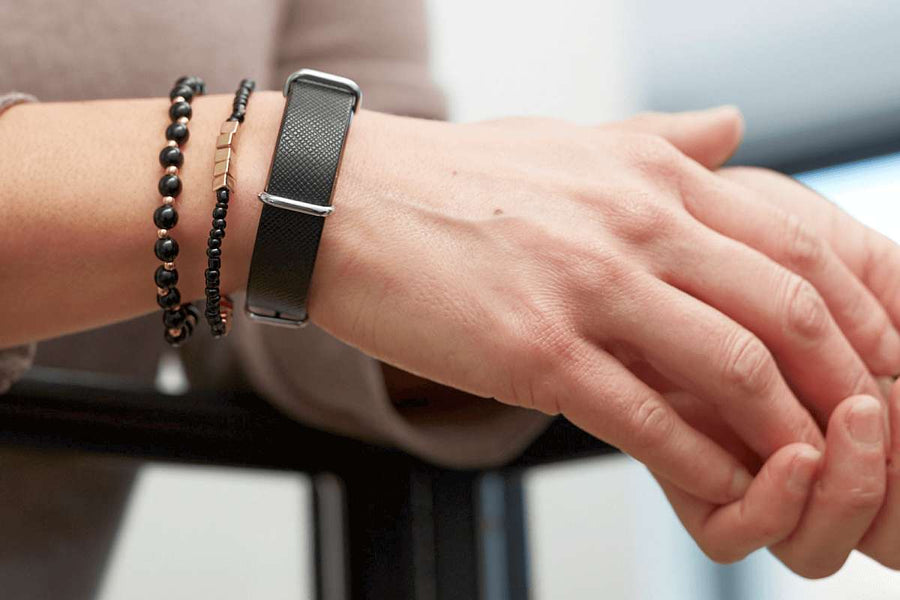
That’s why persistent or repeated symptoms, such as recurring dizziness or fainting, are worth getting checked by a GP rather than managing alone (NHS). Most of the time, low blood pressure is simply how your body runs. Knowing your own pattern simply gives you a clearer sense of what is normal for you. The Hilo Band is built for exactly that: seeing your pattern day to day and bringing it with you to your doctor’s appointments.
Understand your own blood pressure pattern
The Hilo Band takes regular readings through the day, building a longer-term picture of how your blood pressure tends to run, so you can bring your pattern, rather than a guess, to your next doctor’s appointment.
Learn more about the Hilo BandFAQ
Can blood pressure medication cause low blood pressure readings in people being treated for high blood pressure?
Yes. Several medicines used to treat high blood pressure, along with treatments for heart failure, erectile dysfunction, some neurological conditions and depression, can lower blood pressure further than intended (Cleveland Clinic). If you think your medication is causing symptoms, speak to your doctor. They may change the medicine, adjust the dose, or stop it, but this should never be decided without medical advice (Mayo Clinic).
Why does blood pressure drop after eating a large meal?
After a meal, extra blood is redirected towards the digestive system to help with digestion, which can temporarily lower blood pressure elsewhere in the body. Meals high in rapidly digested carbohydrates, such as white bread, pasta or cakes, tend to make this drop more noticeable (British Heart Foundation).
Is low blood pressure dangerous if I don’t have any symptoms?
Usually not. A reading at or just below 90/60mmHg without symptoms is generally not considered a cause for concern (Mayo Clinic). What matters more is whether you notice repeated dizziness, light-headedness or fainting. If those symptoms keep coming back, it’s worth getting checked by a GP (NHS).
How common is postural hypotension in older adults?
It becomes noticeably more common with age. An estimated 5% of people have postural hypotension at age 50, and that rises to more than 30% of people over 70 (Ricci et al., 2015; Cleveland Clinic). If you’ve found standing up quickly affects you more than it used to, this is a large part of why.
This article is for educational purposes only and does not contain, nor replace, medical advice. If you have symptoms of low blood pressure, such as dizziness or fainting, speak to your doctor. It does not replace medical advice, nor should it be used as a self-diagnosis tool.
Sources
- F. Ricci; R. De Caterina; A. Fedorowski (2015). Orthostatic Hypotension: Epidemiology, Prognosis, and Treatment. J. Am. Coll. Cardiol., 66(7), 848. https://doi.org/10.1016/j.jacc.2015.06.1084
- R. Freeman; W. Wieling; F. B. Axelrod et al. (2011). Consensus Statement on the Definition of Orthostatic Hypotension, Neurally Mediated Syncope and the Postural Tachycardia Syndrome. Clin. Auton. Res., 21(2), 69. https://doi.org/10.1007/s10286-011-0119-5
- Low blood pressure (hypotension). NHS. https://www.nhs.uk/conditions/low-blood-pressure-hypotension/ (Accessed September 2026)
- Low Blood Pressure (Hypotension): Causes & Symptoms. Cleveland Clinic. https://my.clevelandclinic.org/health/diseases/21156-low-blood-pressure-hypotension (Accessed September 2026)
- Low blood pressure (hypotension): Diagnosis & treatment. Mayo Clinic. https://www.mayoclinic.org/diseases-conditions/low-blood-pressure/diagnosis-treatment/drc-20355470 (Accessed September 2026)
- 5 tips to try if you have low blood pressure. British Heart Foundation. https://www.bhf.org.uk/informationsupport/heart-matters-magazine/medical/how-to-treat-low-blood-pressure (Accessed September 2026)
- Living with postural hypotension. Multiple System Atrophy Trust. https://www.msatrust.org.uk/support/living-with-msa/factsheets/living-with-postural-hypotension/ (Accessed September 2026)